project clip
01arXiv
SkateNav: Learning Energy-Efficient Navigation through Adaptive Skating on Passive-Wheel Quadrupedal Robots
Teaches wheel-legged quadrupeds when to push and coast for efficient navigation.
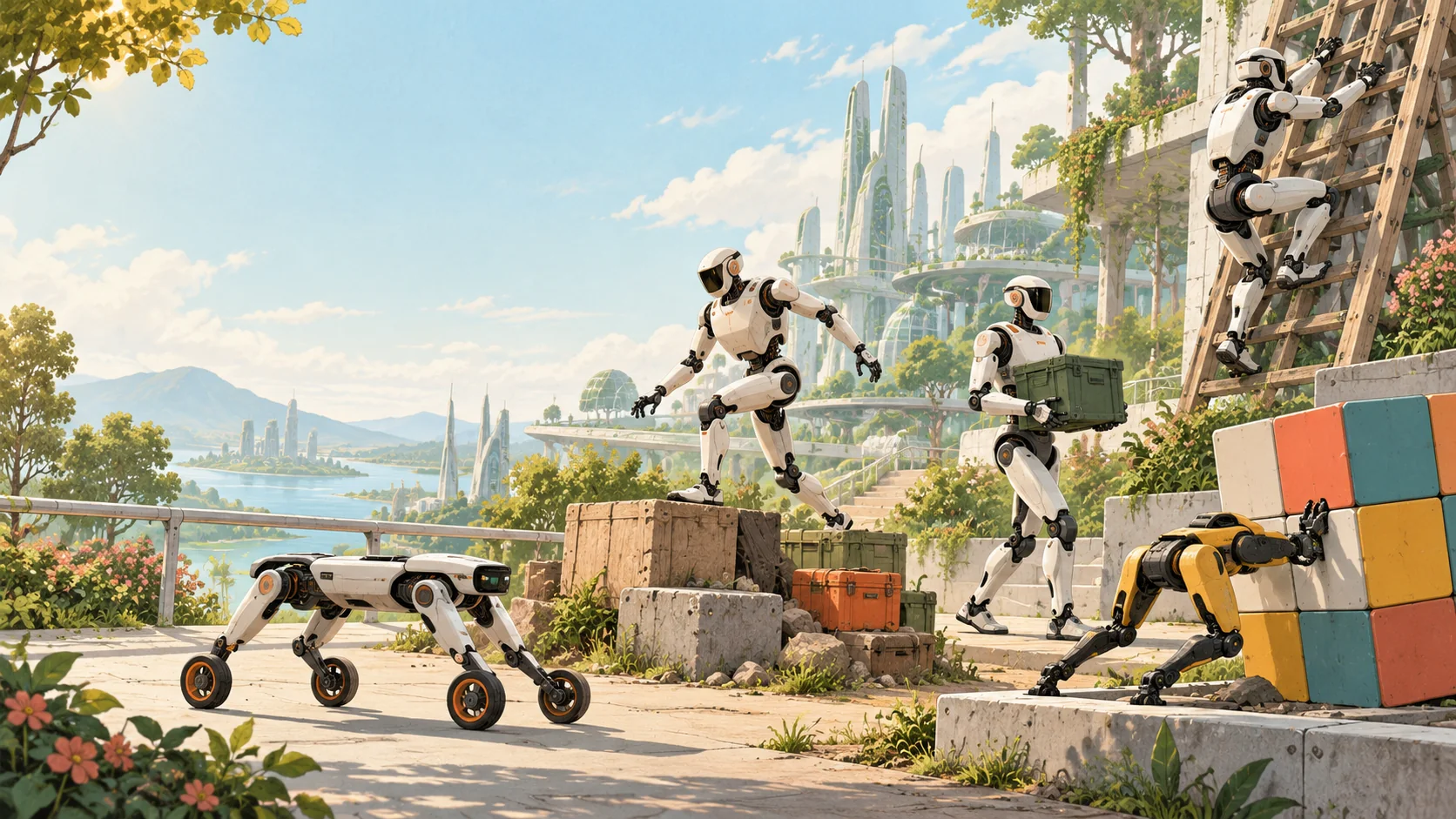
Terrain, gait, robustness, and agile movement.
Teaches wheel-legged quadrupeds when to push and coast for efficient navigation.
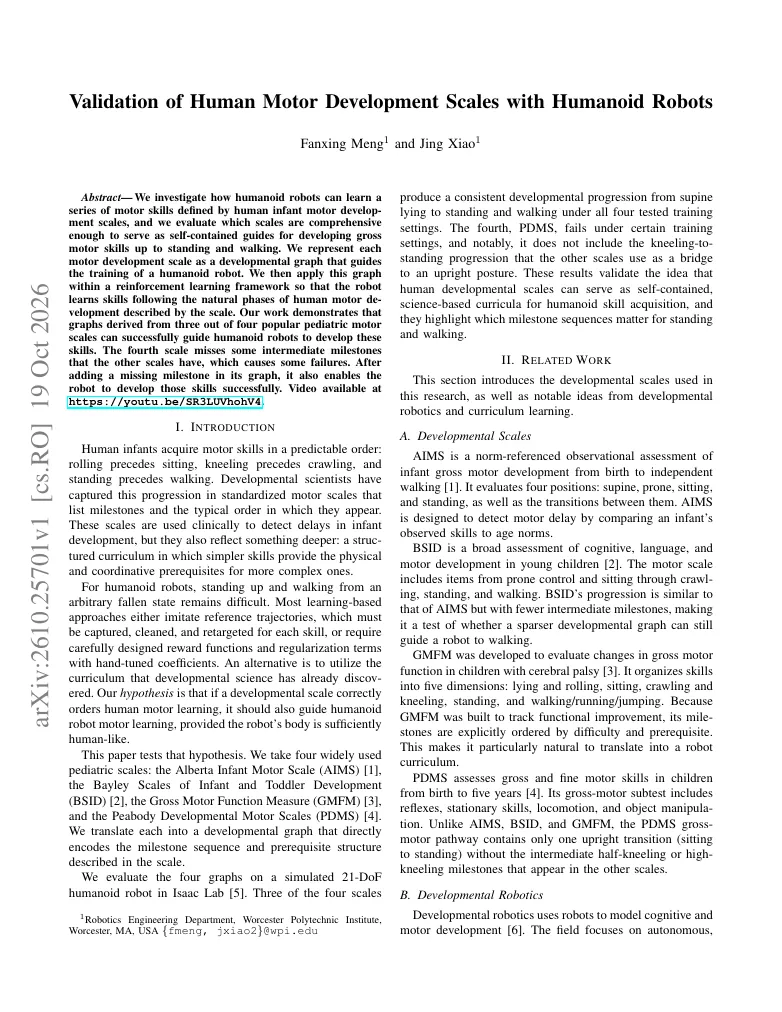
Teaches humanoids to stand up by progressing through support poses instead of copying demonstrations.
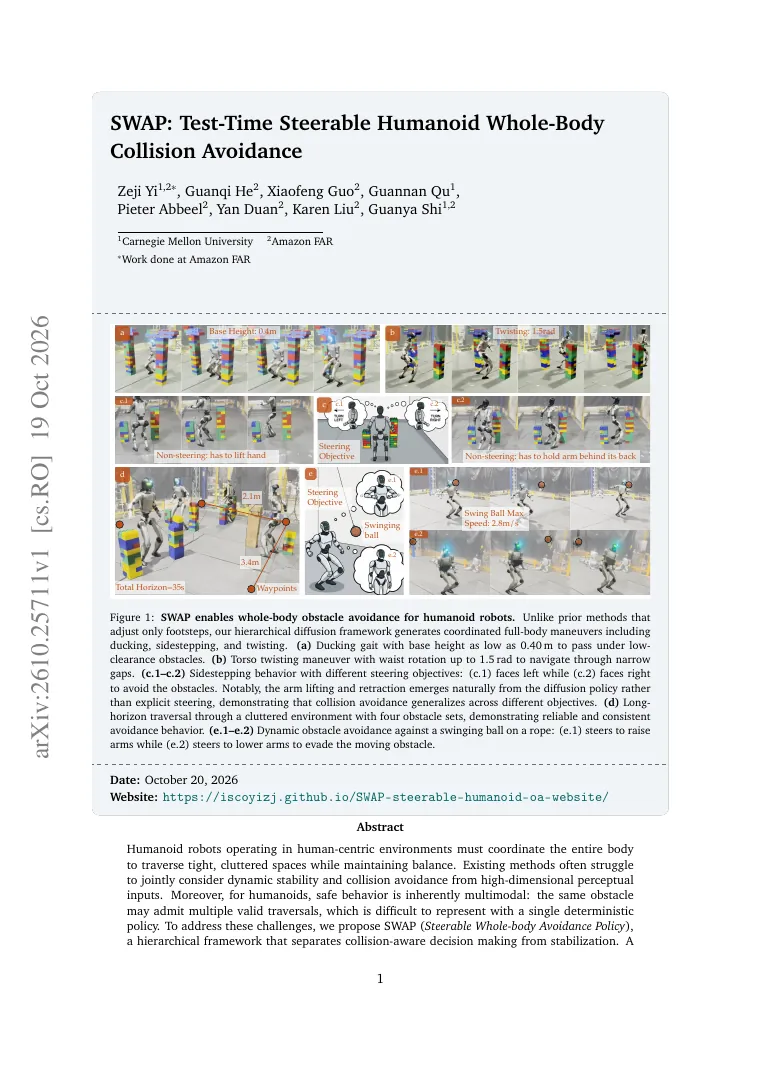
Lets a humanoid choose safe whole-body motions around obstacles based on the current goal.
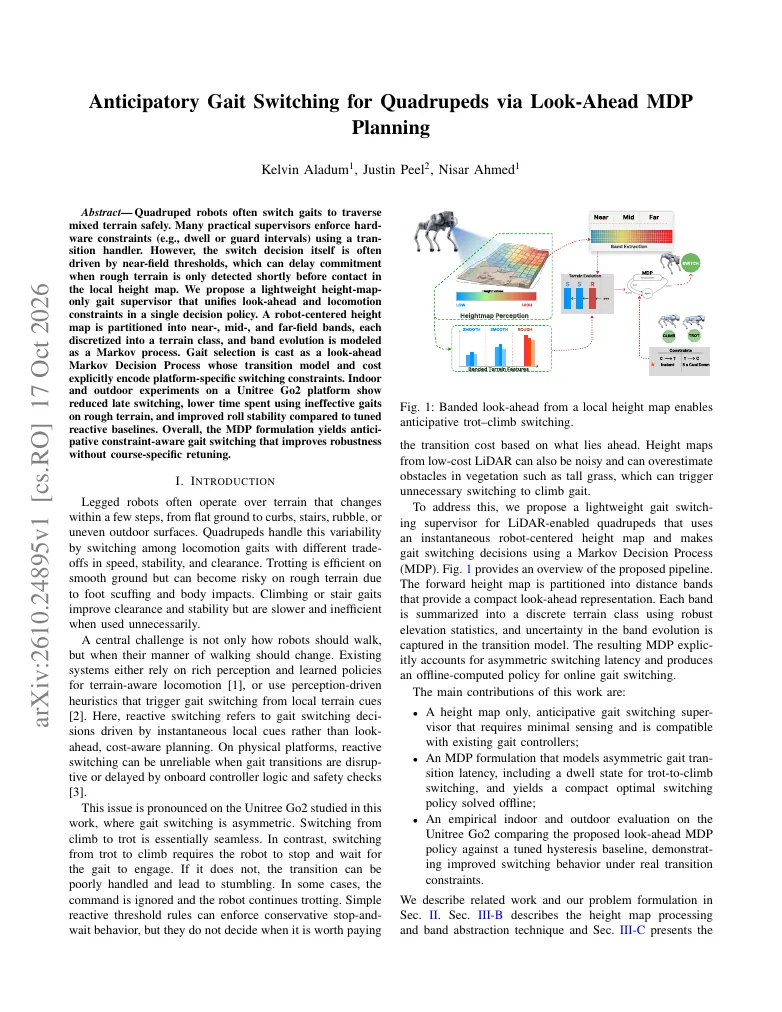
Switches quadruped gaits before terrain changes arrive so the robot stays stable and efficient.
Builds harder parkour terrain around each failure so a legged robot practices what it currently cannot do.
Changes a biped's posture to fit narrow passages while keeping the existing walking controller.
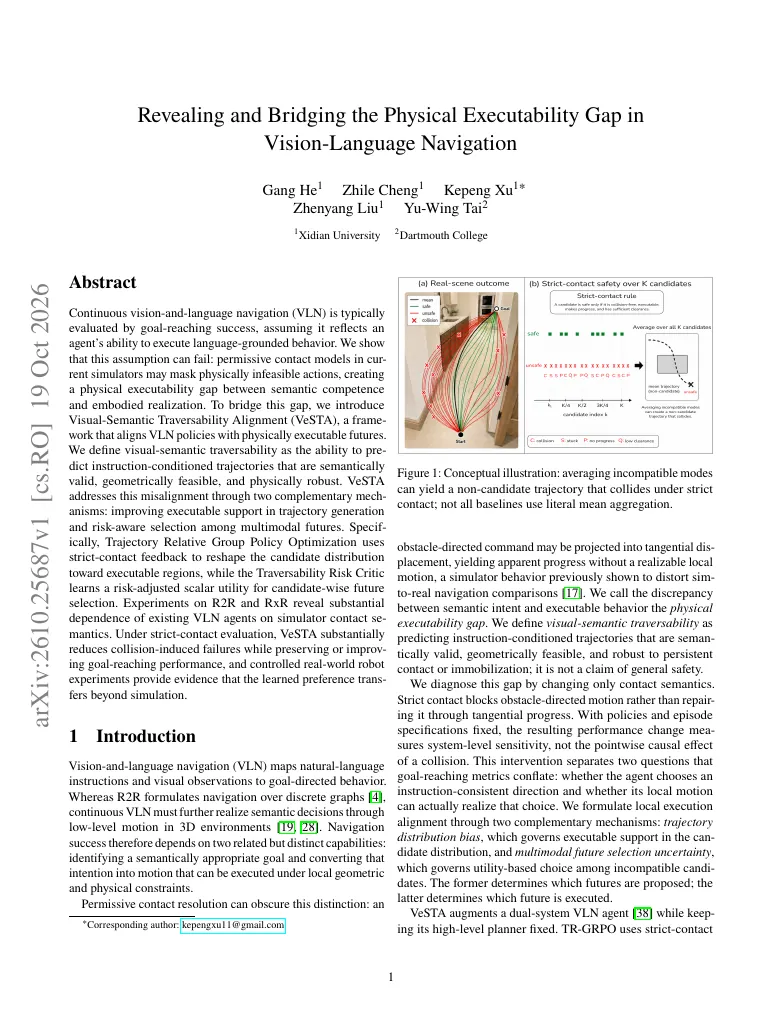
Adjusts vision-language navigation paths so a quadruped chooses routes it can physically traverse.
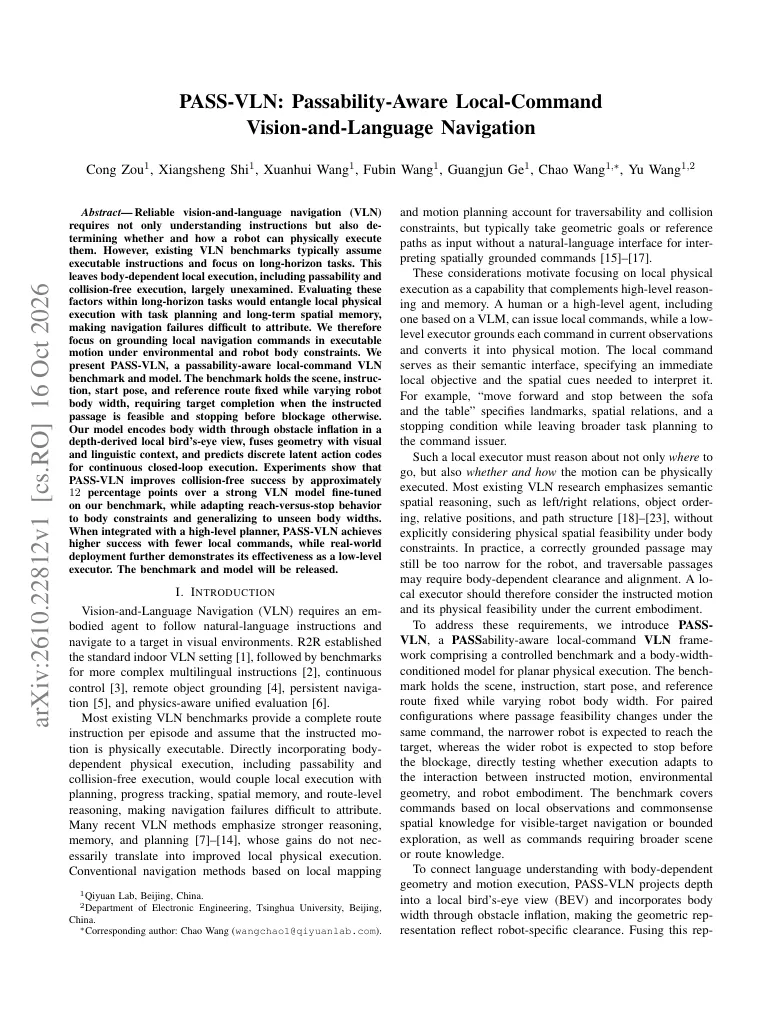
Guides a quadruped through tight passages using body-width-aware depth maps and local language commands.
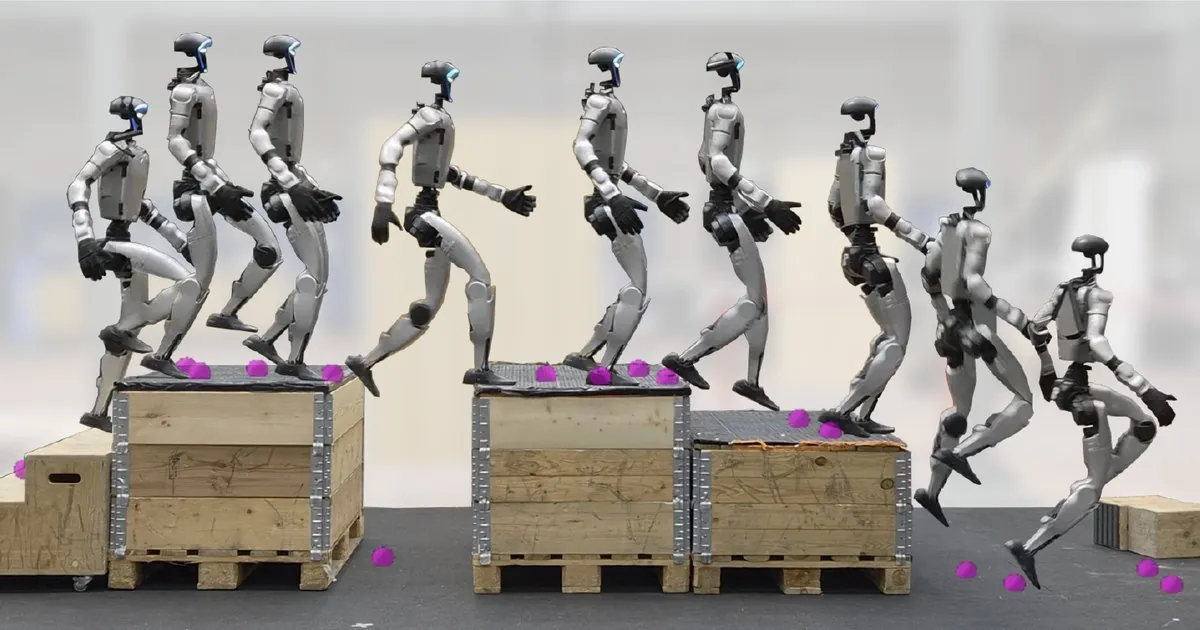
Predicts future foot placements and focuses terrain sensing only where a humanoid is about to step.
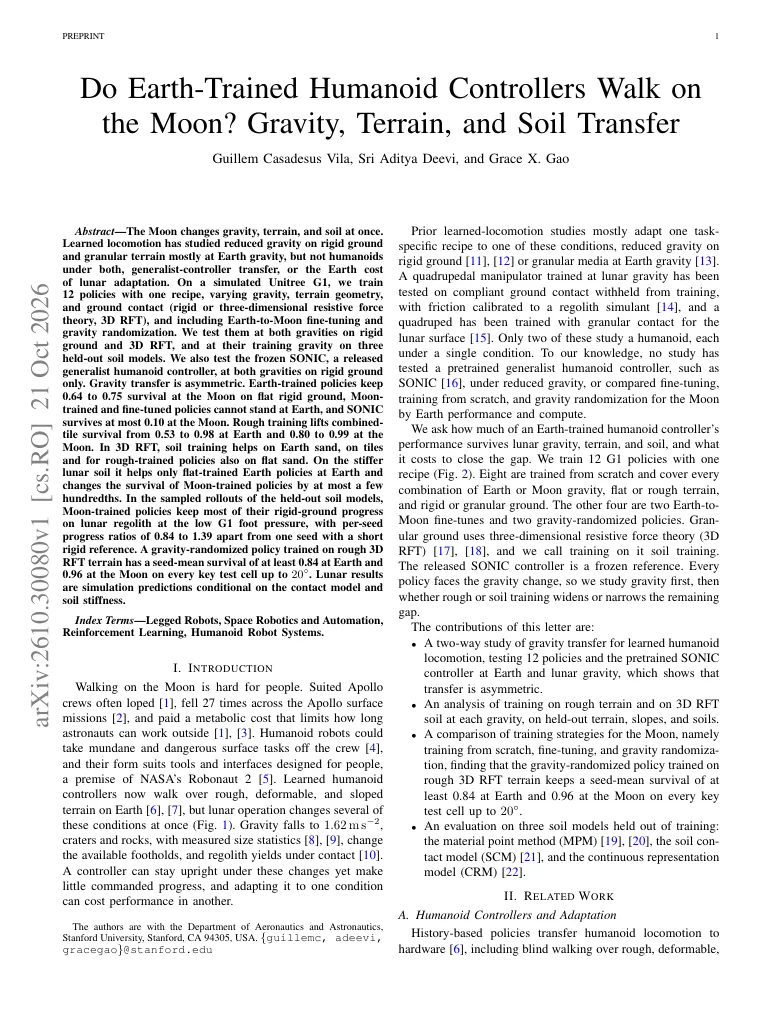
Trains humanoid walking that transfers between Earth and lunar gravity, terrain, and soil.
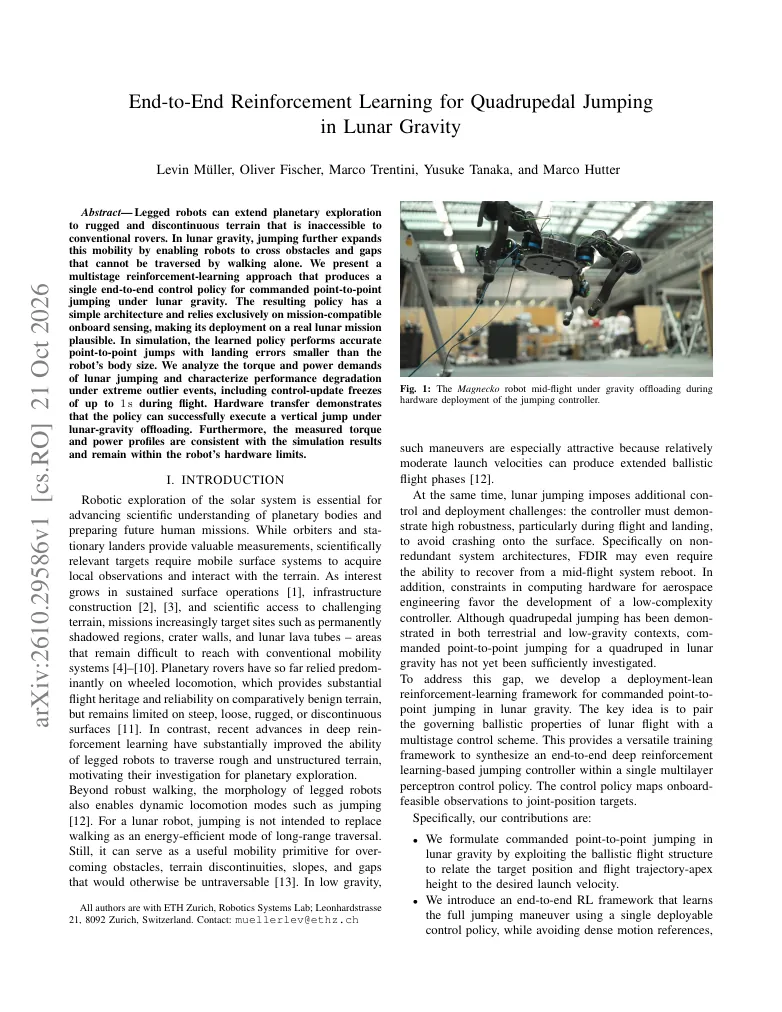
Teaches a quadruped to launch, control its body in flight, land, and recover in lunar gravity simulation.
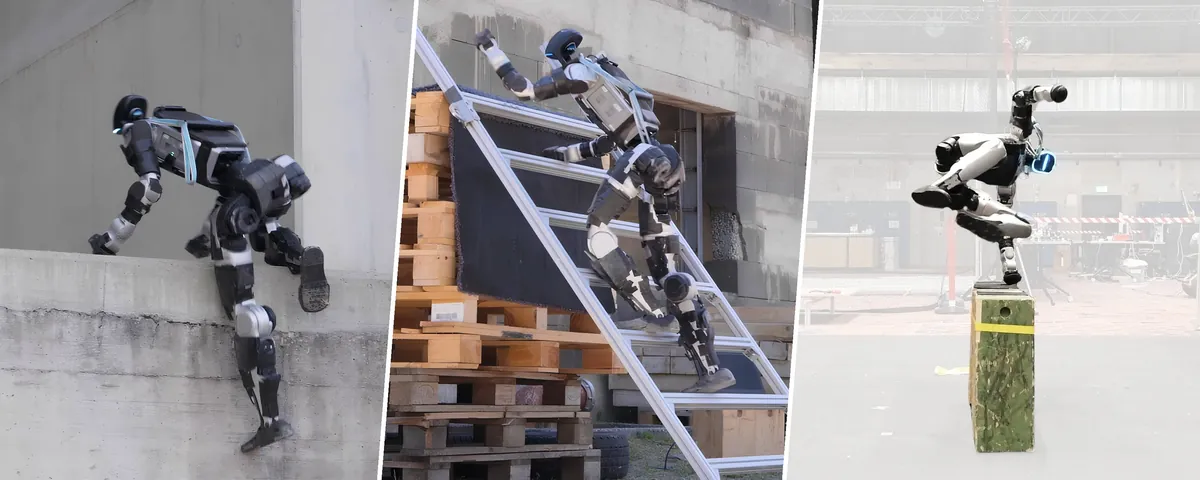
Teaches humanoids to use hands, feet, knees, and other contacts to move across difficult terrain.
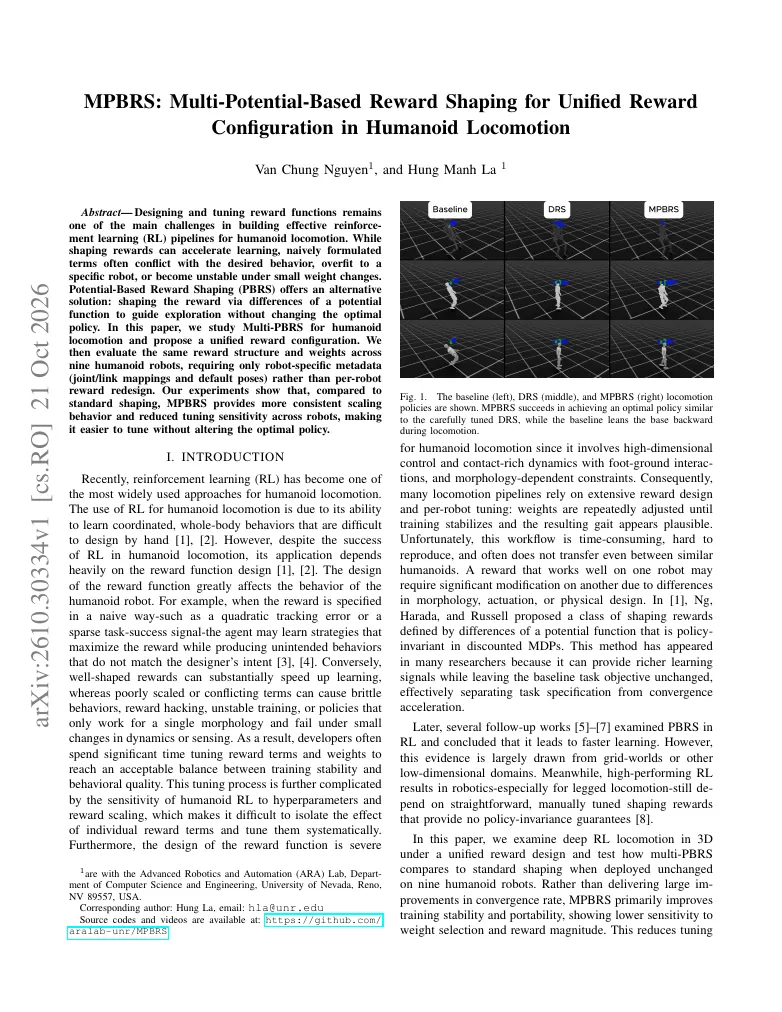
Reuses one reward-shaping recipe across many simulated humanoid bodies and walking goals.
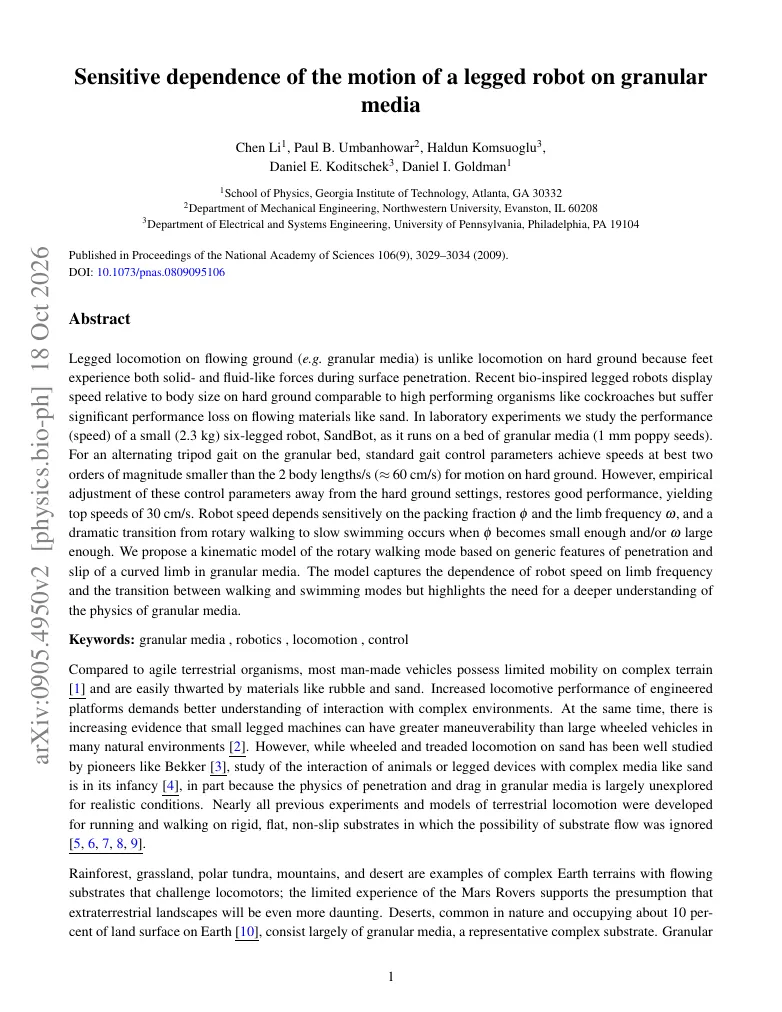
Shows how gait timing and sand packing change a legged robot from rotary walking to slow swimming.
Reference motion, imitation, retargeting, and behavior priors.
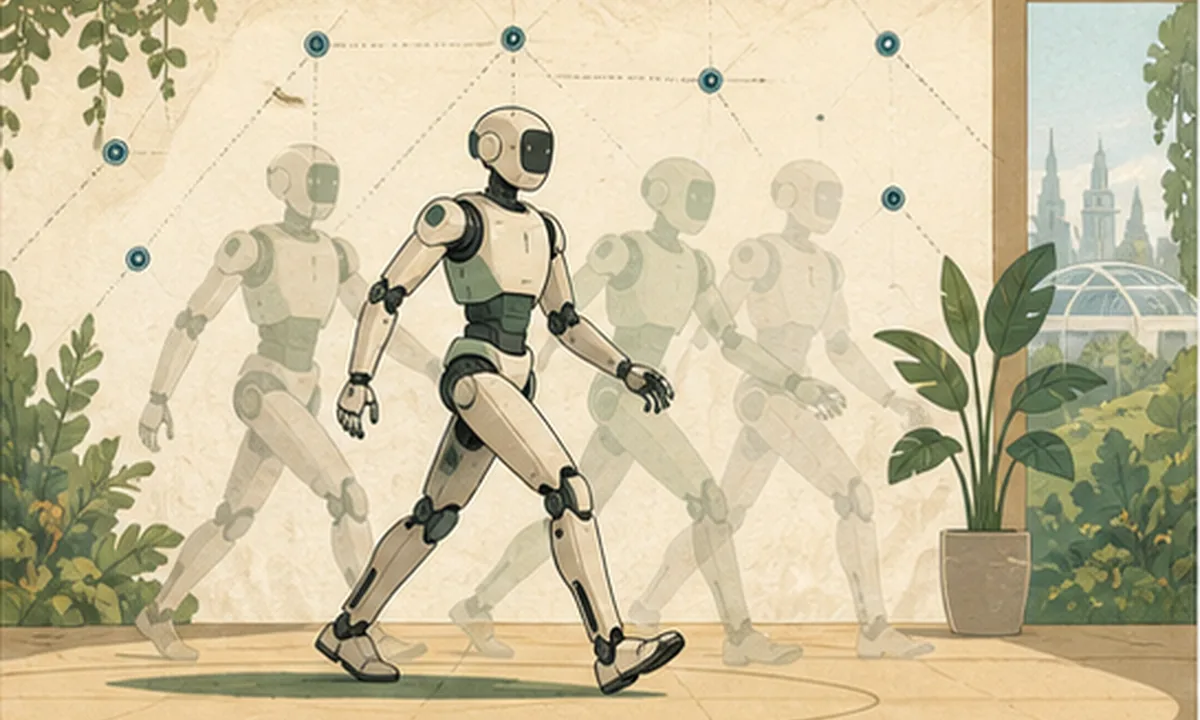
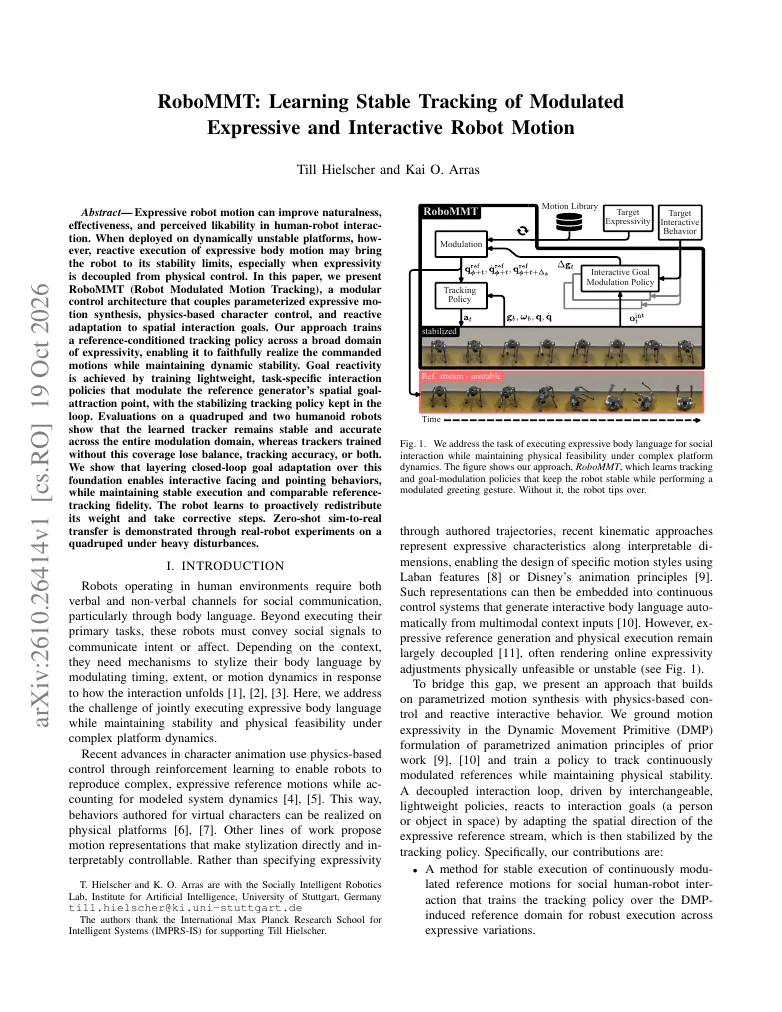
Keeps expressive humanoid gestures stable and lets them react to nearby people.
Turns ordinary humanoid video into estimated joint motion for control and data generation.
Discovers selectable walking styles from motion recordings with only weak labels.
Learns a humanoid behavior model that predicts useful actions and can refine them before execution.
Retargets human motion quickly, then spends dynamics checks only on motions that need them.
Learns a humanoid world model and tracking policy together for fast whole-body motion control.
Generates matching video and robot-rig motion so arbitrary bodies, including G1, can follow the same scene.
Drives low-latency whole-body humanoid teleoperation from a compact current-frame reference.
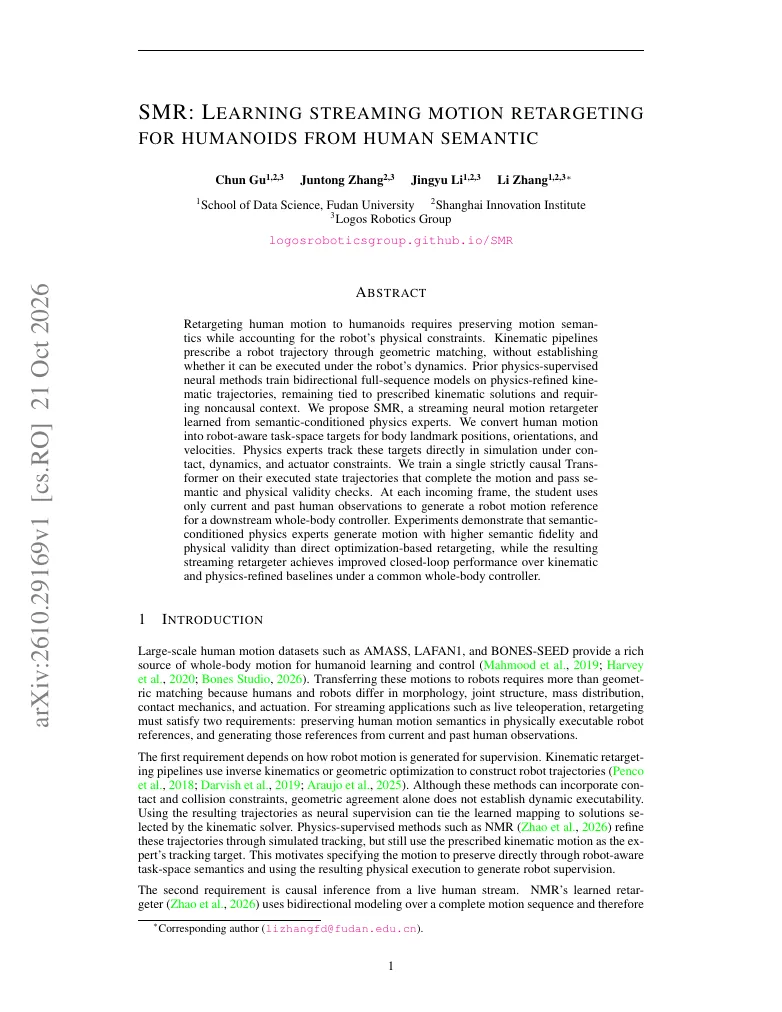
Learns real-time humanoid retargeting from motions that were successfully executed on the robot.
Makes one humanoid policy respond to different style preferences by choosing where to combine objectives.
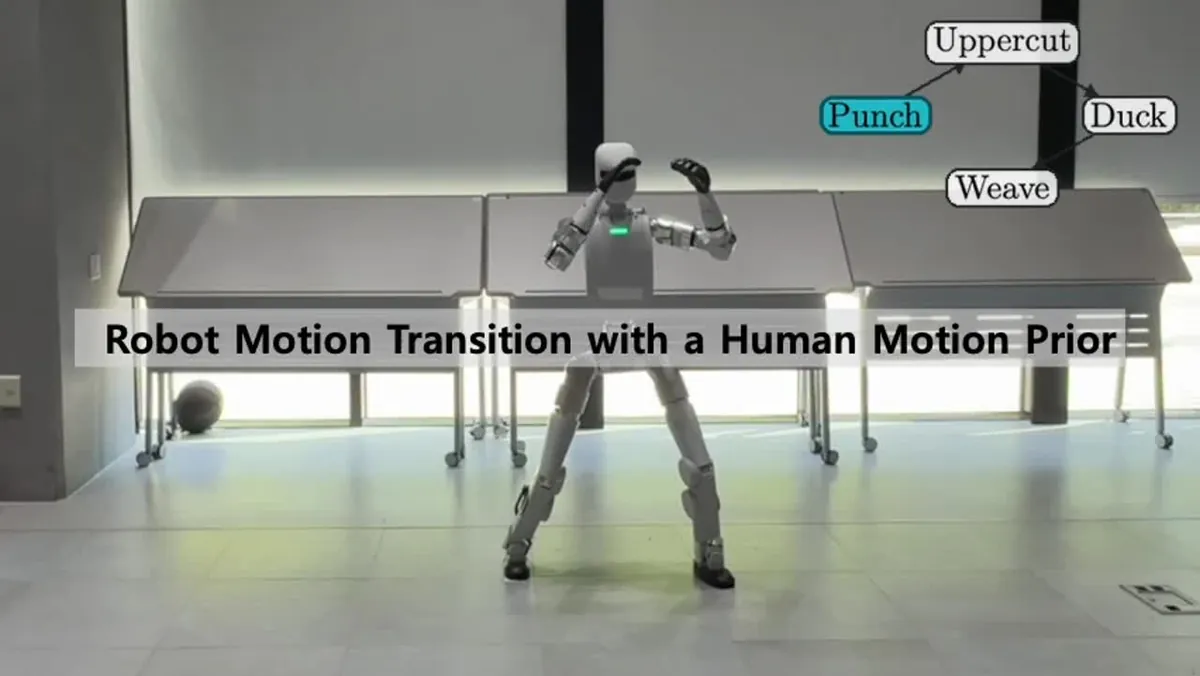
Creates smooth, executable transitions between separate human motion clips for humanoid tracking.
Retargets human motion by focusing on the frames and body parts that matter most for object interaction.
Makes generated biped motions more physically feasible at inference time without retraining the motion model.
Whole-body task contact: feet, torso, hands, and objects.
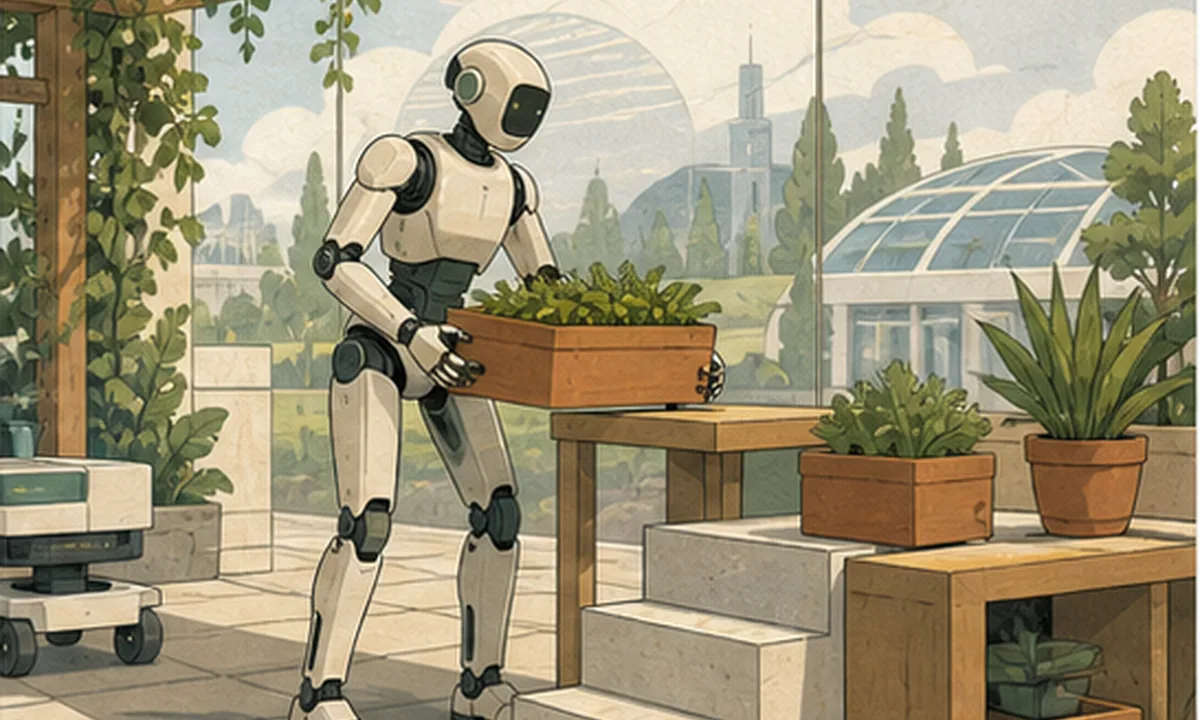
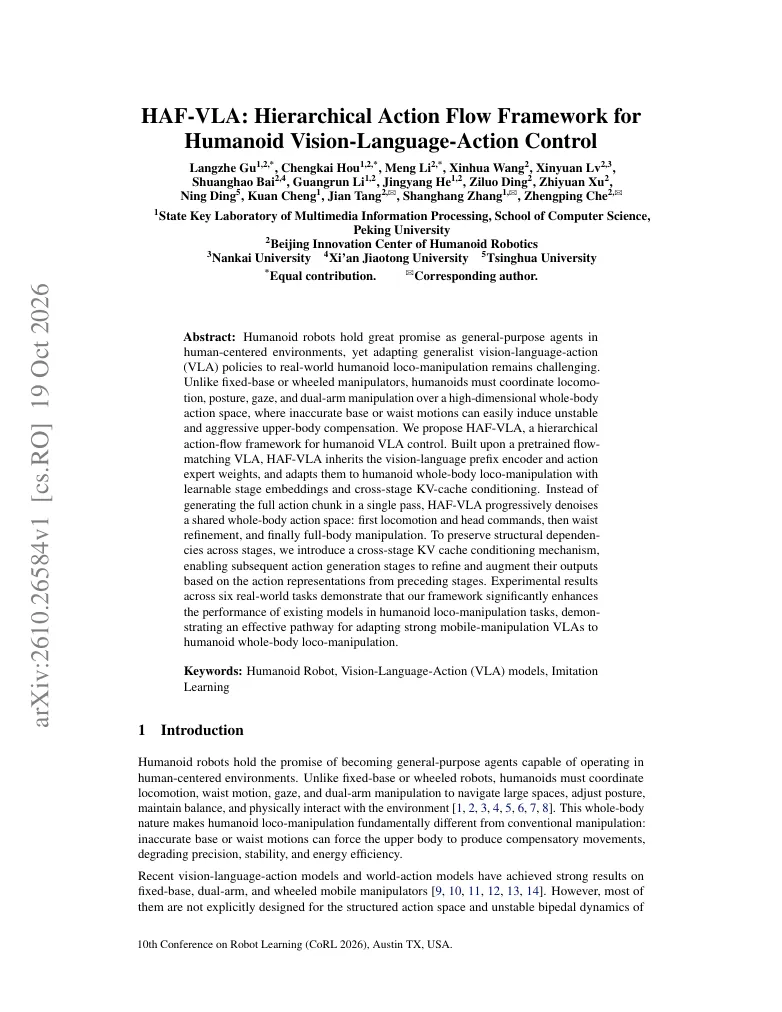
Plans the humanoid's base, posture, and arms in stages so it can follow language commands.
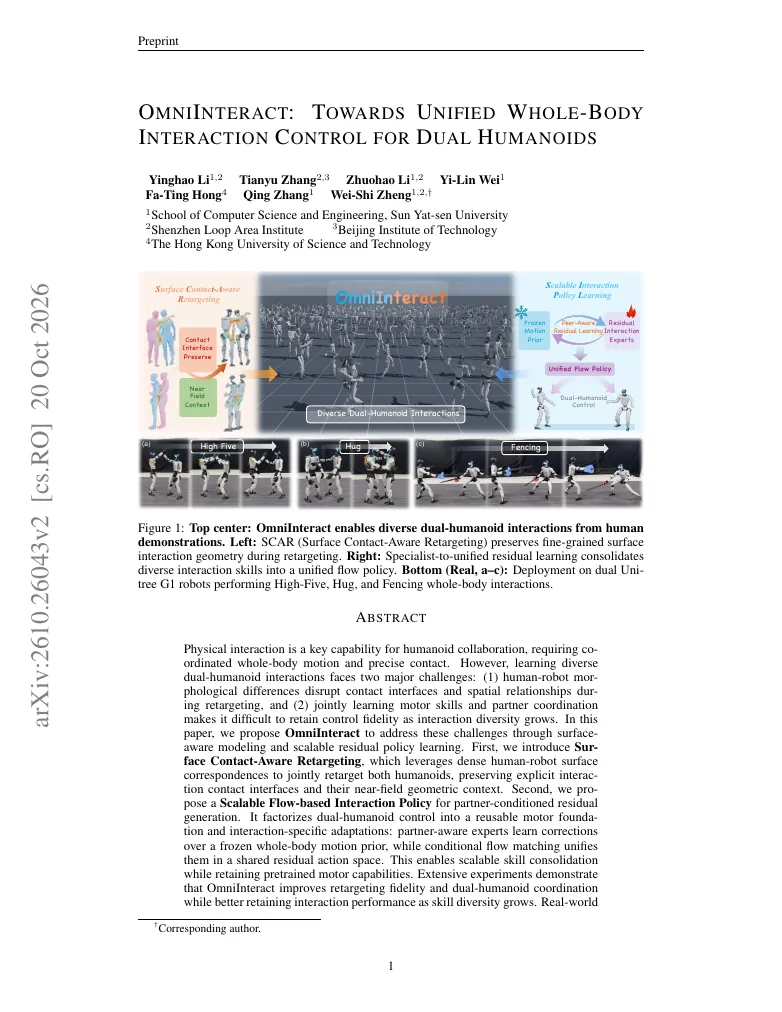
Coordinates two humanoids through shared contact so they can interact without losing balance.
Gives humanoids an extra arm for wider reach, carrying support, and coordinated movement.
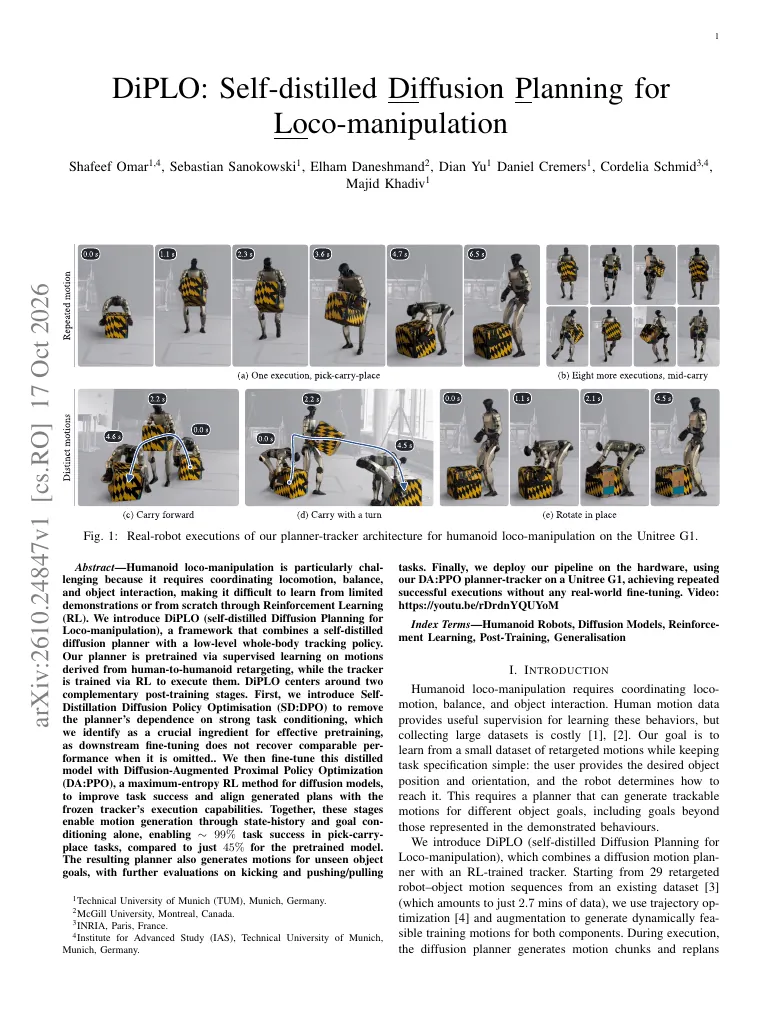
Plans humanoid movement and manipulation with diffusion, then distills it into a faster controller.
Plans humanoid movement through compact action-aware predictions instead of replaying fixed motions.
Teaches a quadruped to brace and turn a giant Rubik's Cube using both front legs and whole-body balance.
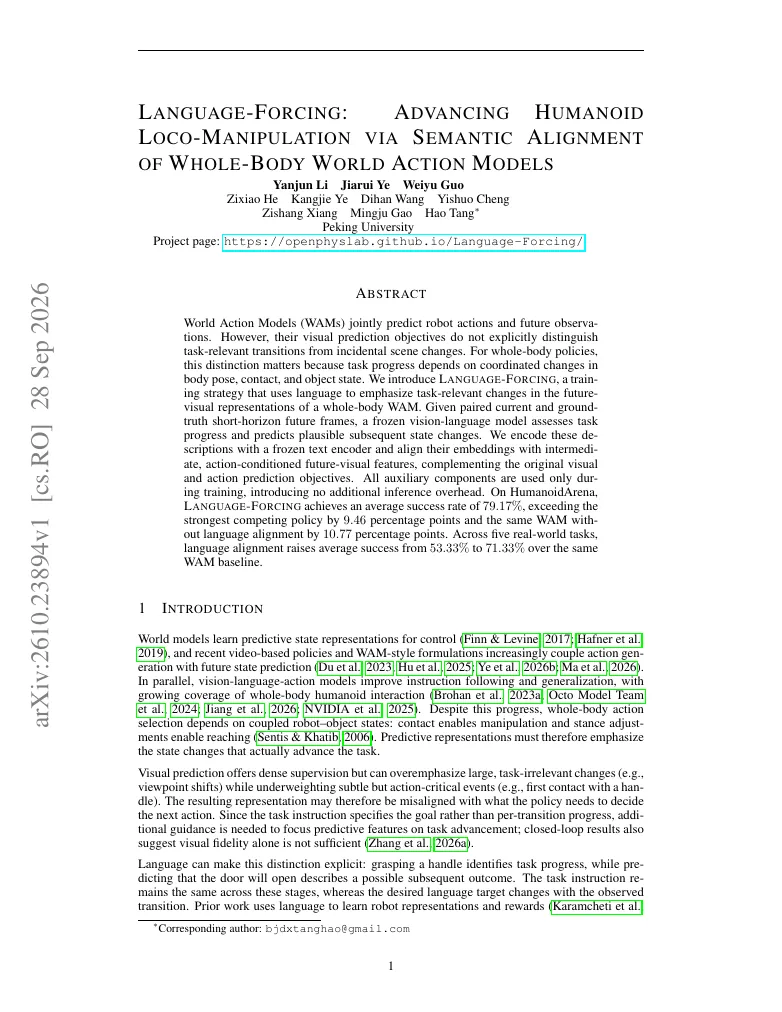
Aligns a humanoid world model with language so its movement reflects task progress, not just visual change.
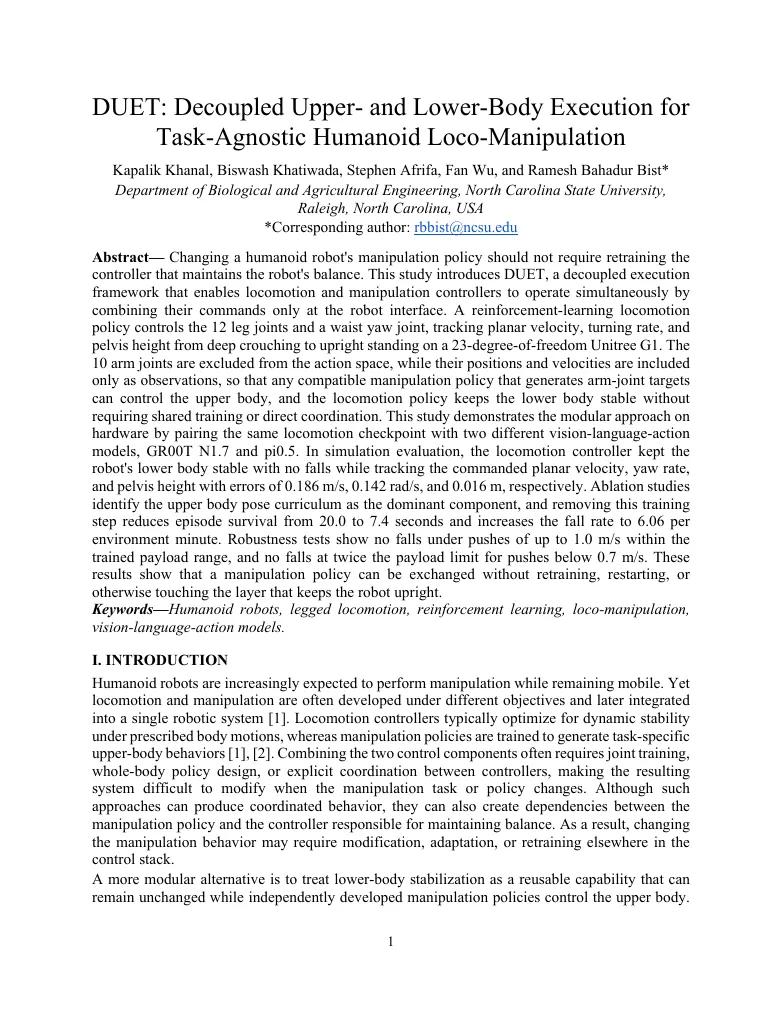
Lets one arm policy handle tasks while a separate lower-body controller keeps the humanoid balanced.
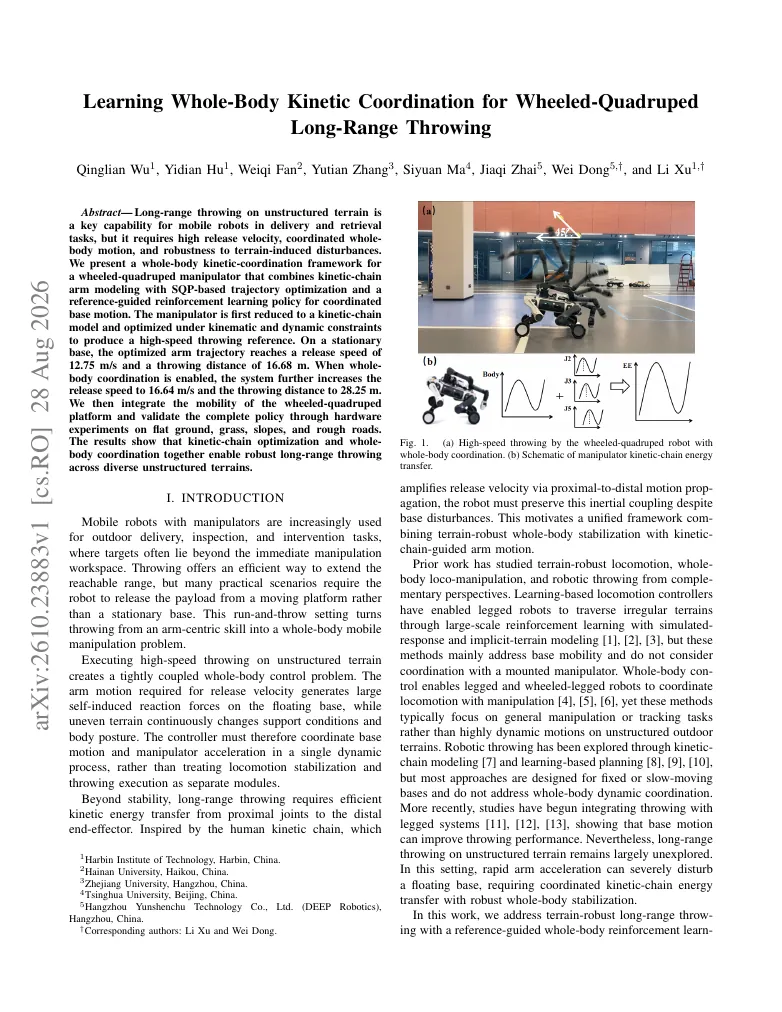
Teaches a wheeled quadruped to pitch and coordinate its body for longer throws on varied terrain.
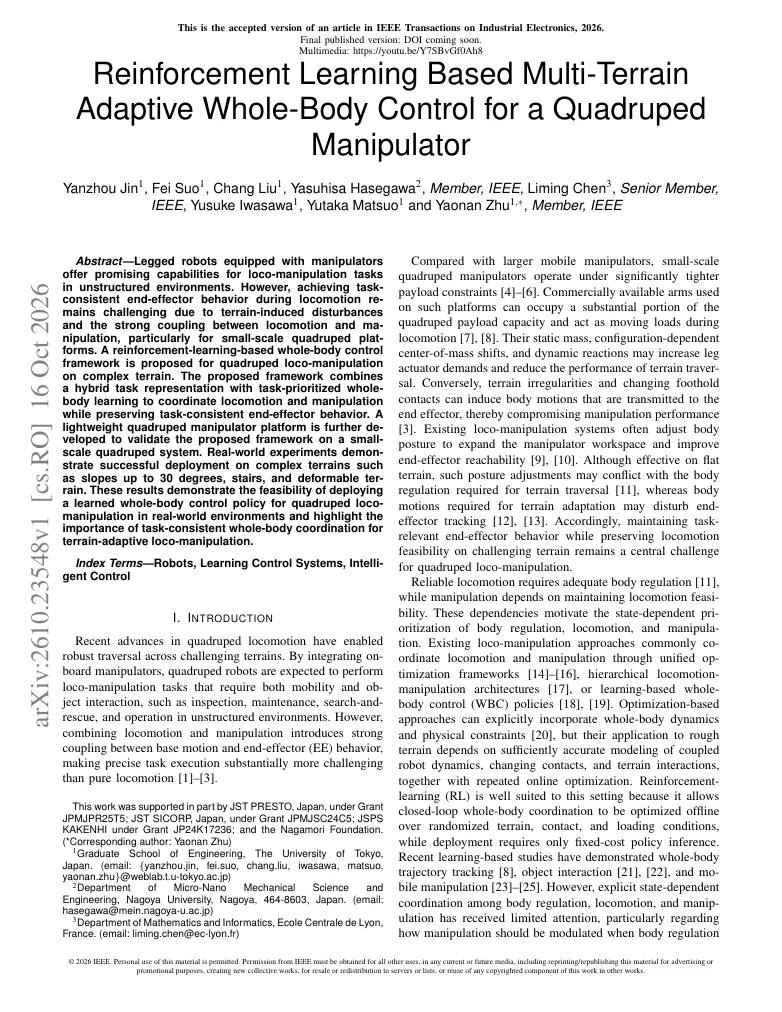
Coordinates a quadruped and arm with one controller while moving and manipulating over uneven terrain.
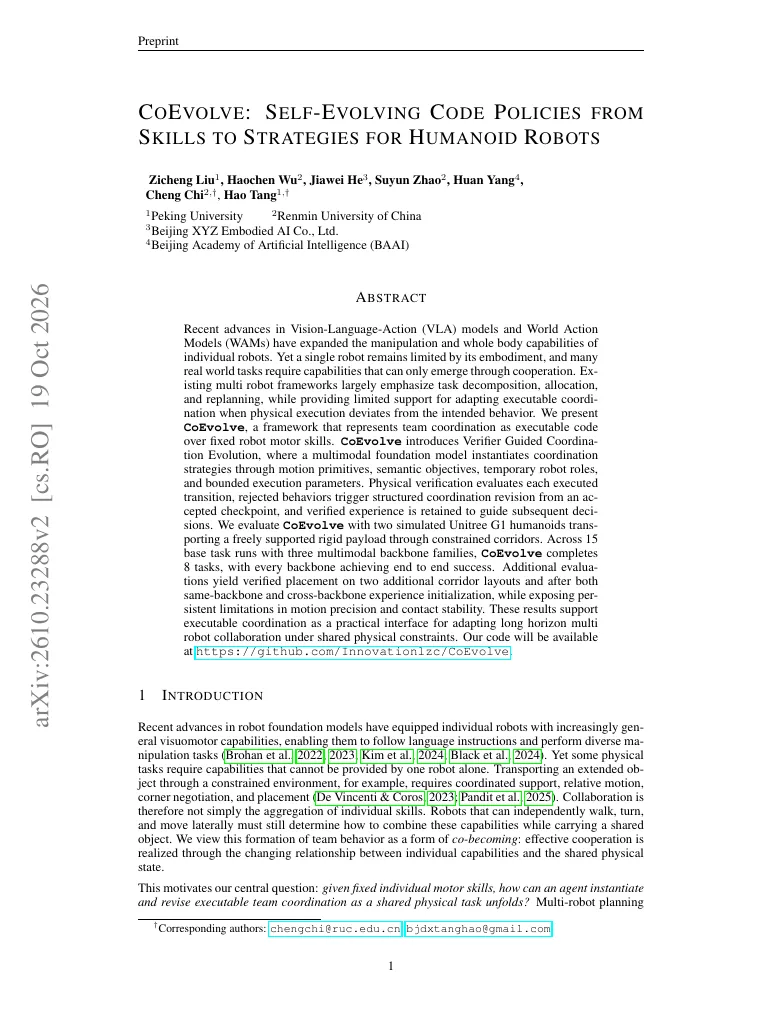
Lets coding agents improve cooperative humanoid tasks by testing and revising executable robot programs.
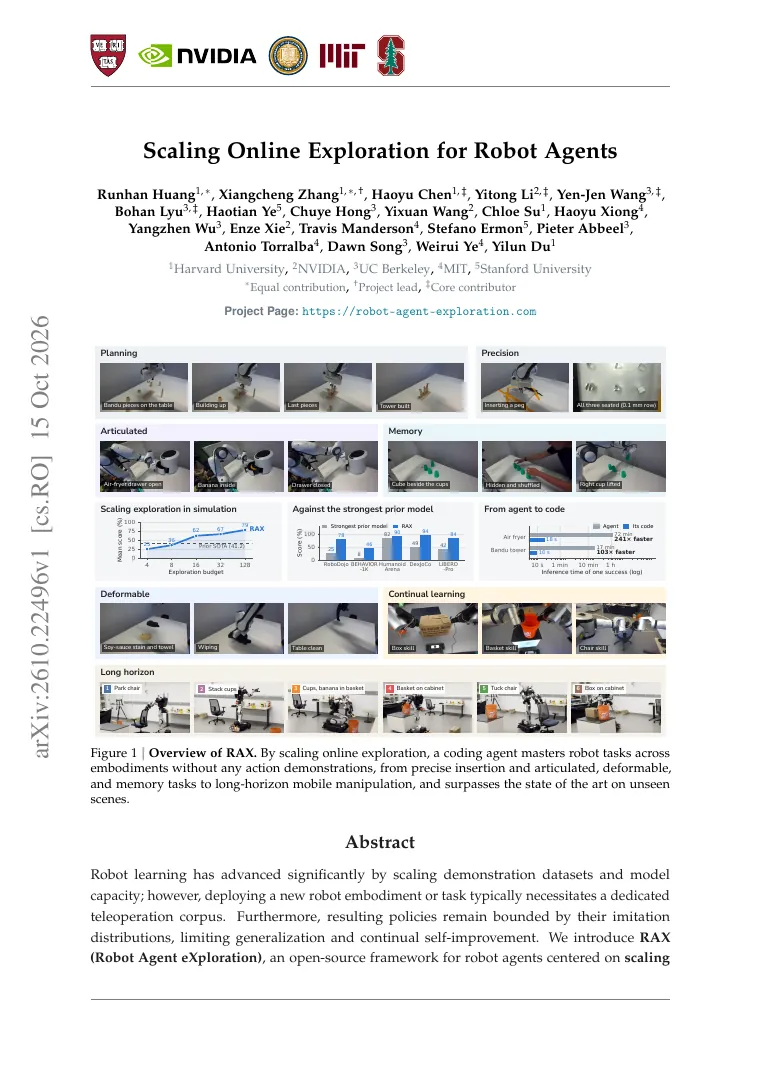
Lets a coding agent learn humanoid tasks online, then save successful perception and control steps as reusable programs.
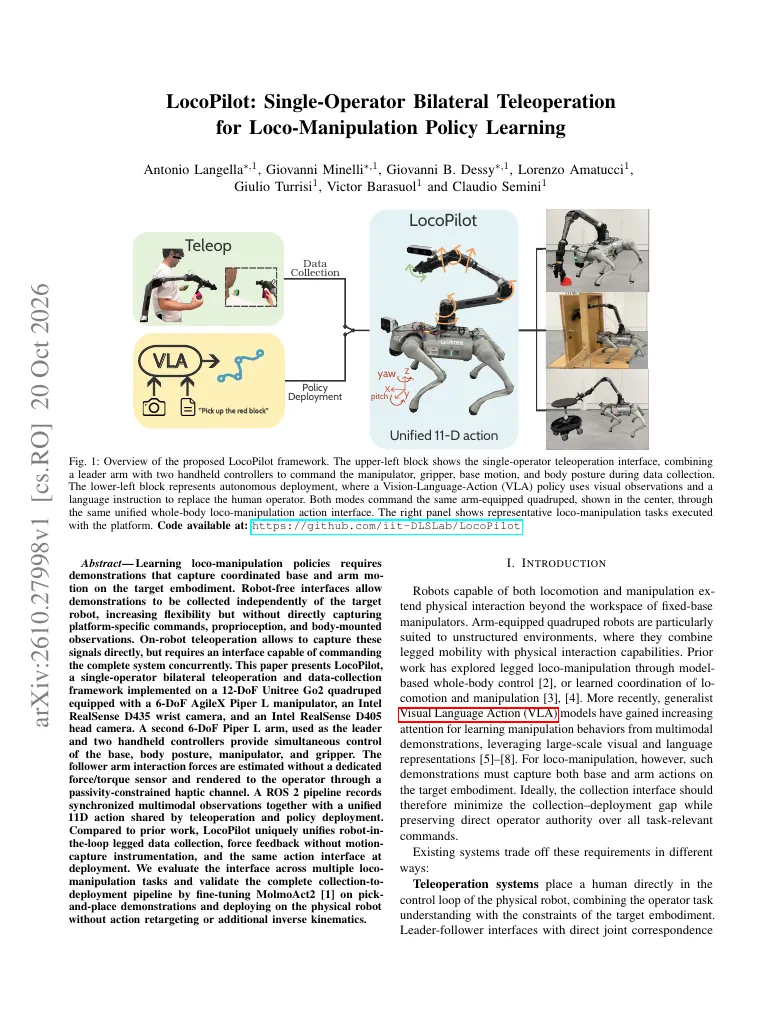
Collects loco-manipulation demonstrations with one operator using the same actions the quadruped executes at deployment.
Preserves touch points and predicts a human partner's hidden motion so a humanoid can interact while walking.
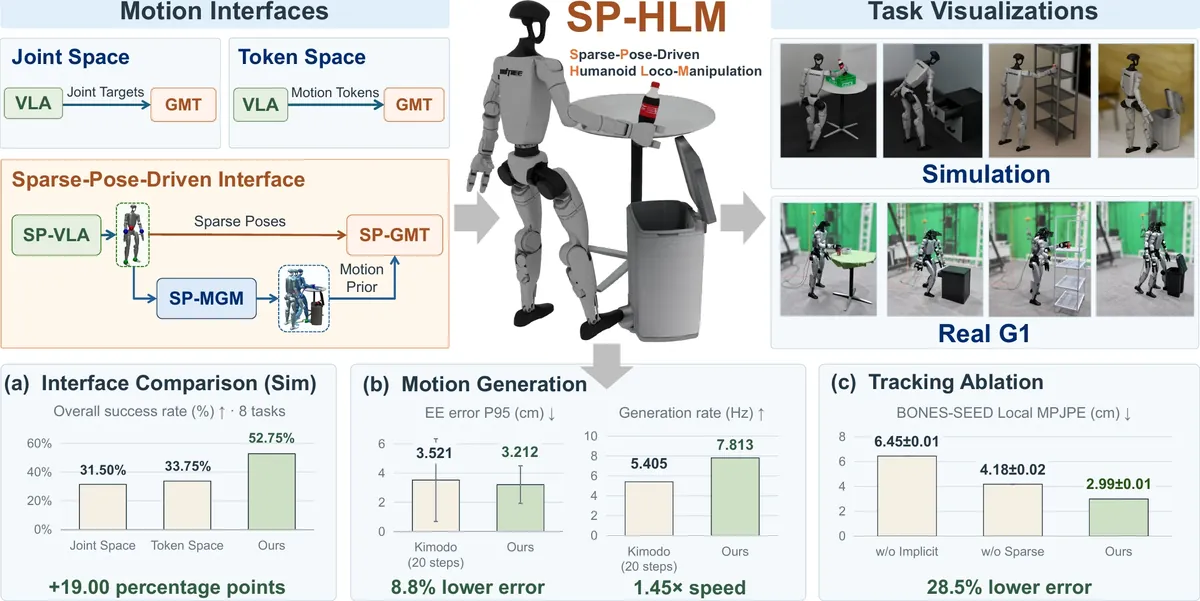
Generates whole-body humanoid motion from a few task poses while preserving task geometry.
Gives a humanoid memory of earlier object events so it can finish whole-body tasks after cues disappear.
MPC, impedance, safety layers, and whole-body coordination.
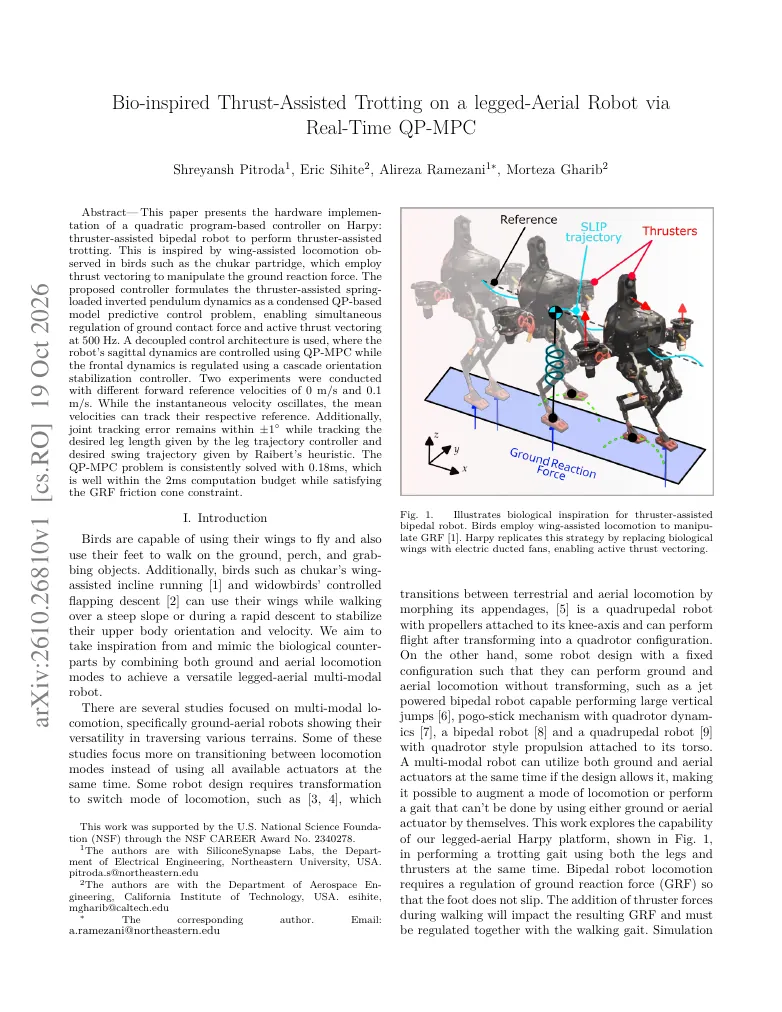
Uses small thrusters to help a biped trot while a fast planner balances foot forces.
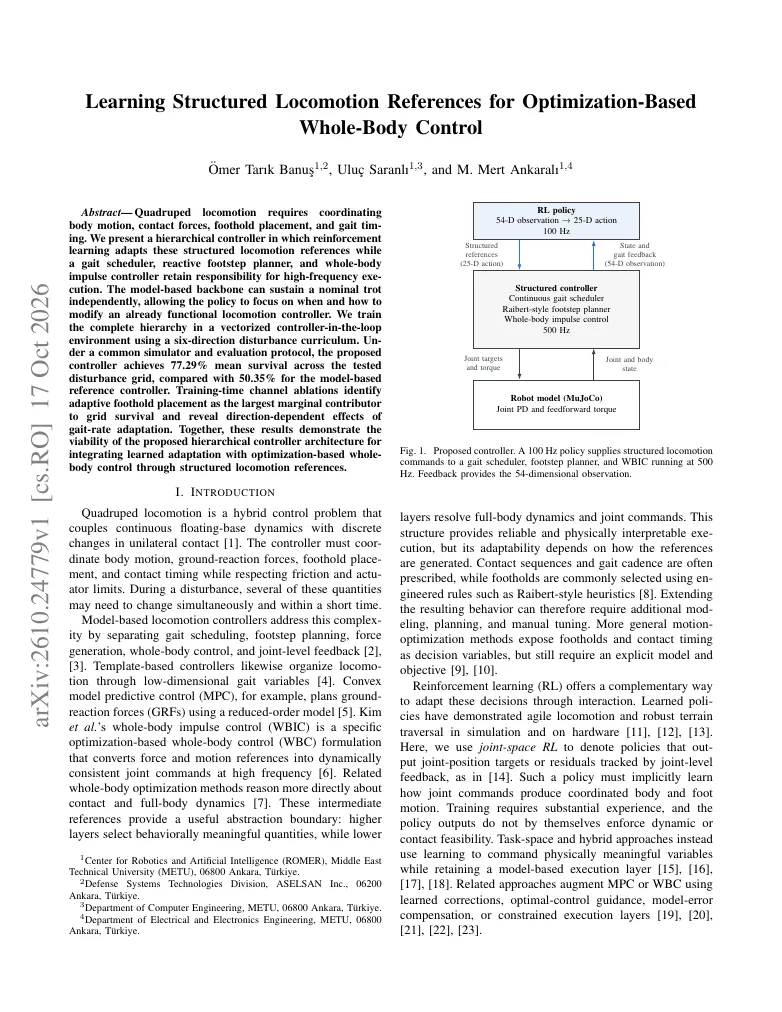
Learns useful walking references while keeping an optimization-based whole-body controller in charge.
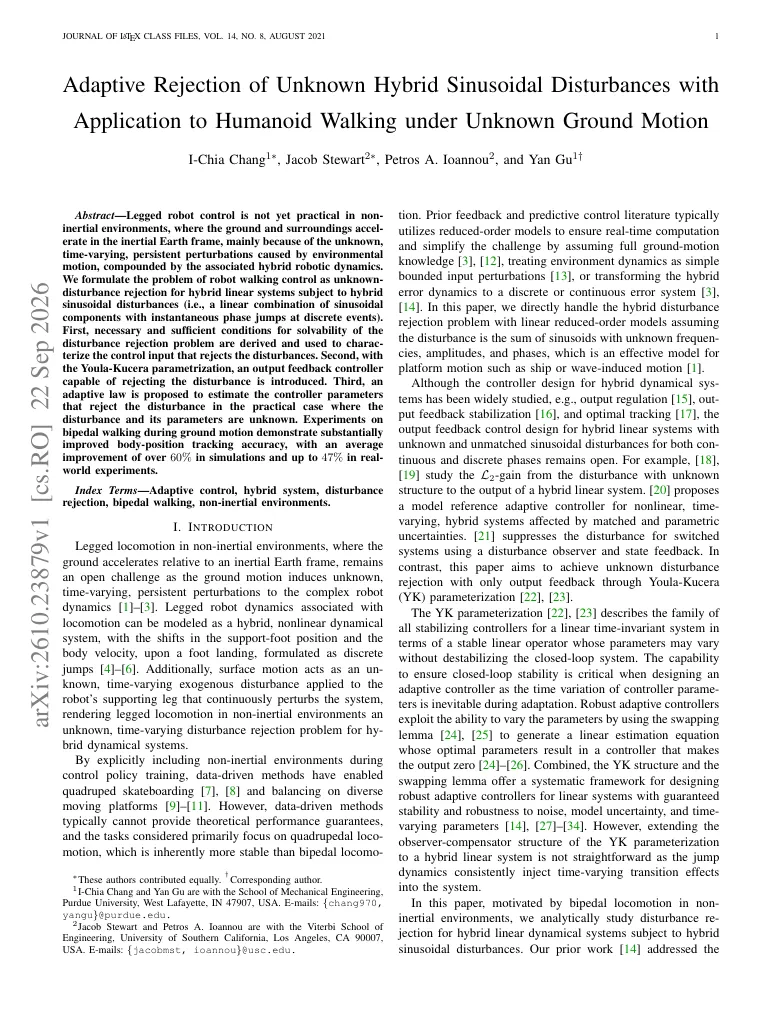
Keeps a humanoid walking on moving ground by adapting to unknown repeated floor motion.
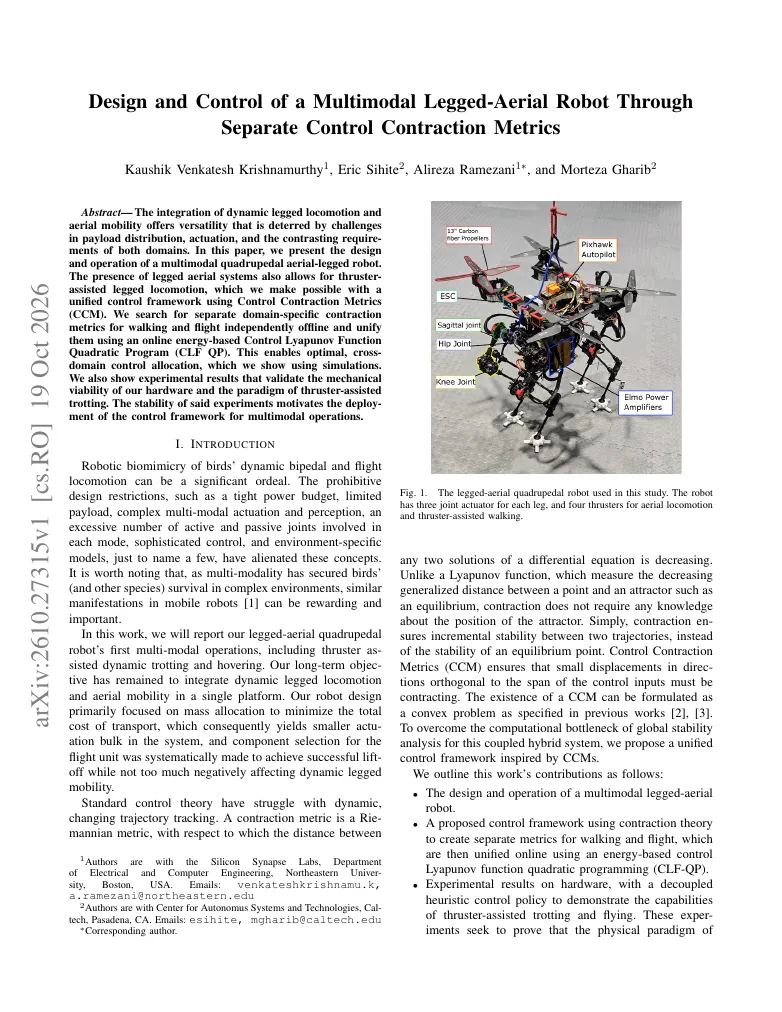
Coordinates legs and thrusters with separate stability measures for a robot that can walk and fly.
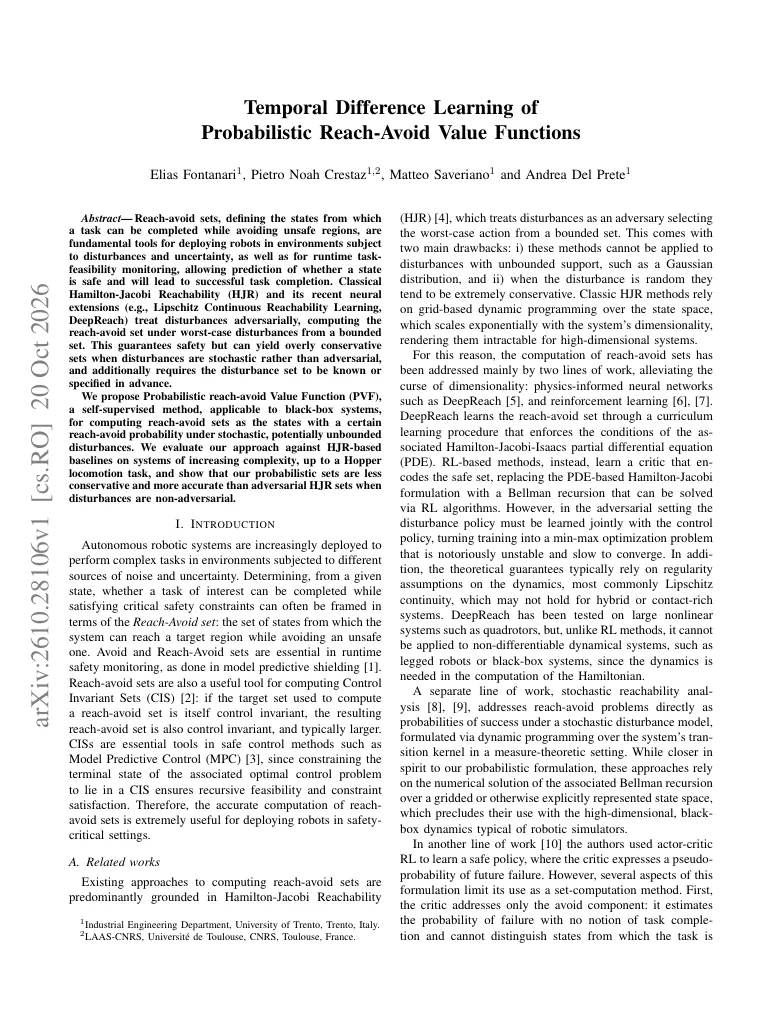
Predicts fall risk and switches to safer actions before a legged robot enters a dangerous state.
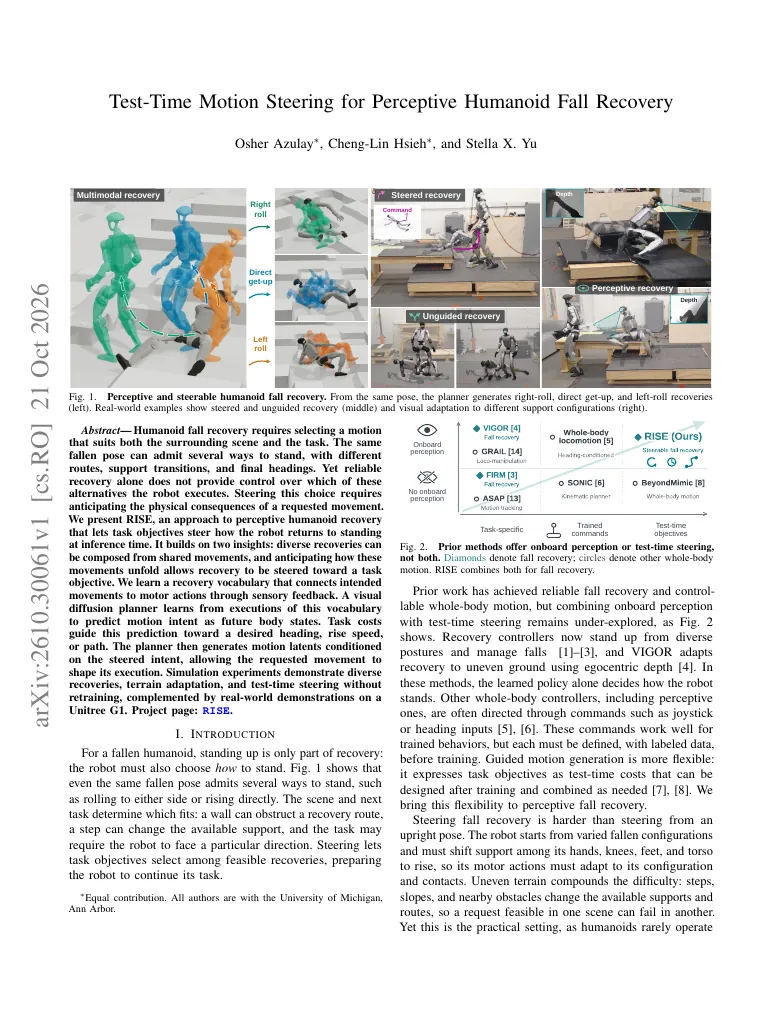
Steers a humanoid's recovery motion at run time so it can use vision to get up from a fall.
Benchmarks, datasets, rewards, simulators, and tooling.
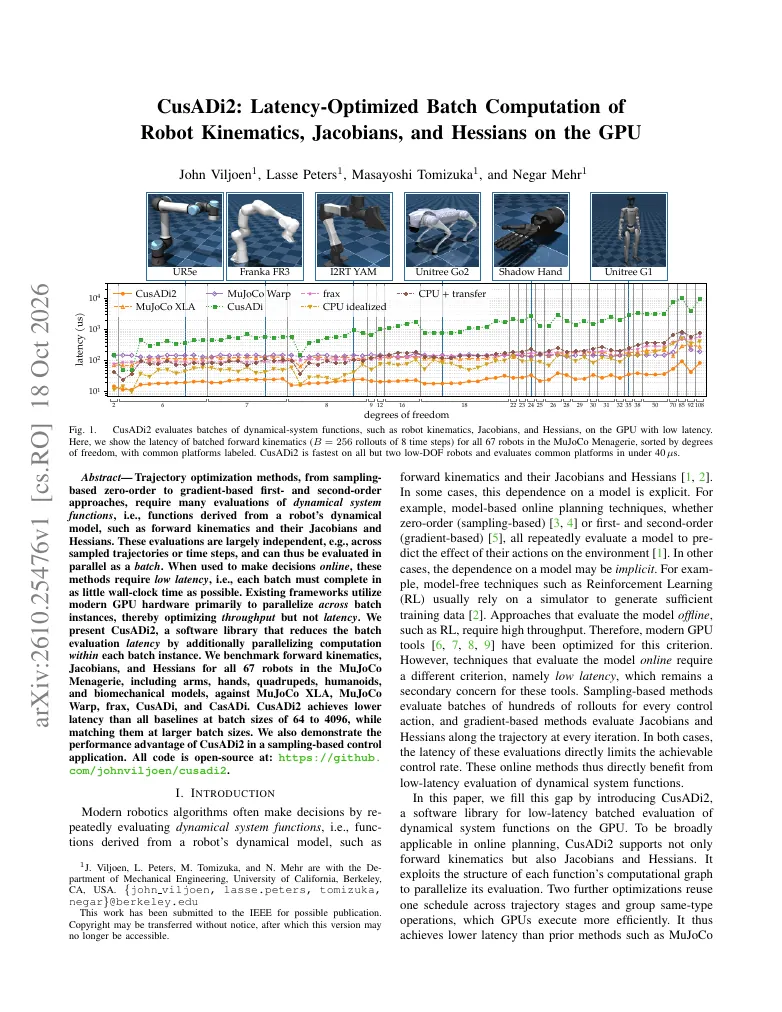
Speeds up robot kinematics and derivatives on GPUs for faster planning and control.
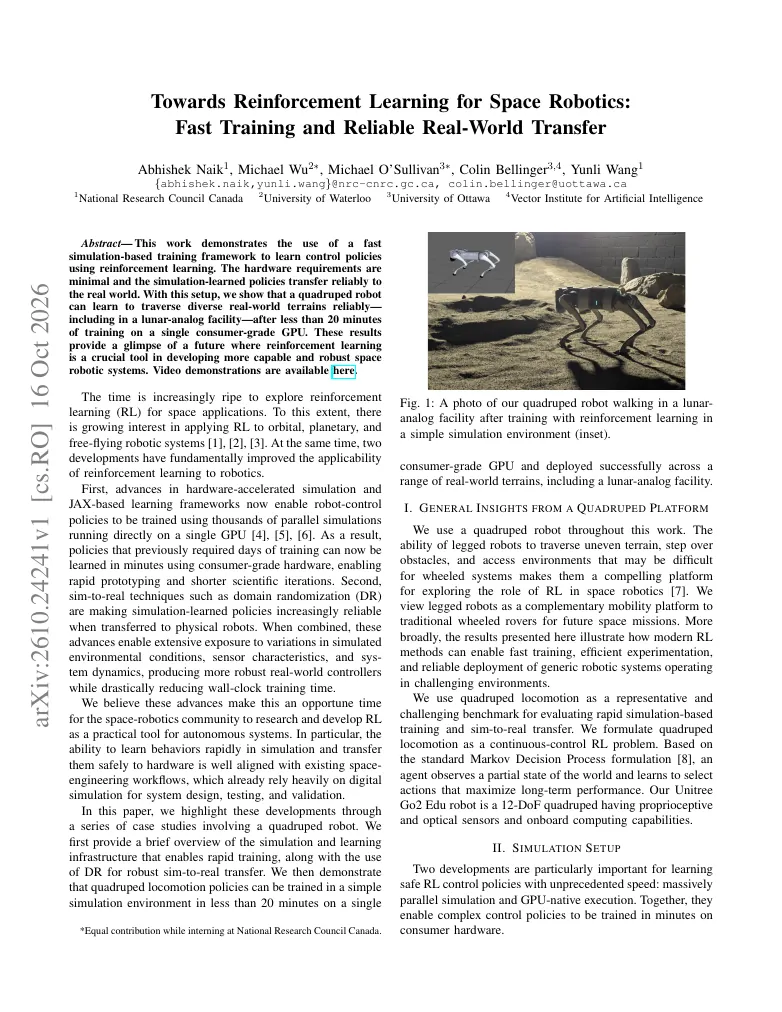
Trains quadruped space-robot skills in minutes and transfers selected behaviors to real hardware.
Shares predictive training across human and robot video so different bodies can learn loco-manipulation.
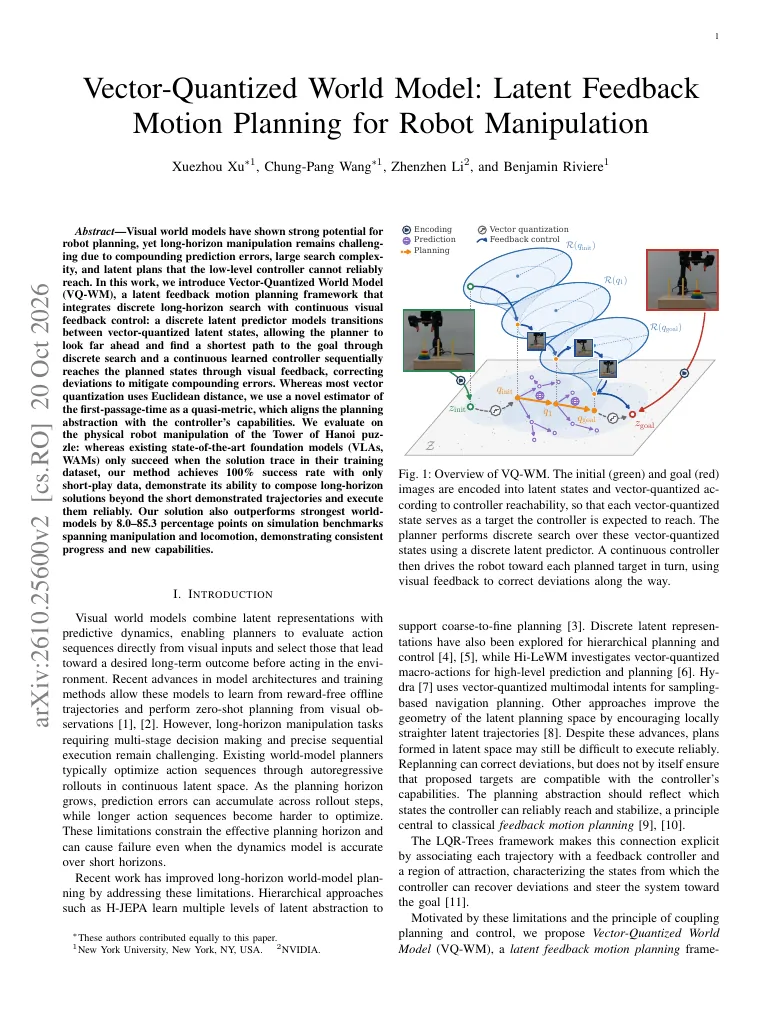
Plans manipulation through discrete visual states while using feedback to stay on course.
Tests whether a general model can issue useful humanoid body and walking commands under fixed controllers.
Turns prompts or video into retargeted robot motion, rewards, and trained legged policies in a browser workflow.
Provides one framework for training, testing, and exporting robot policies across simulation backends.
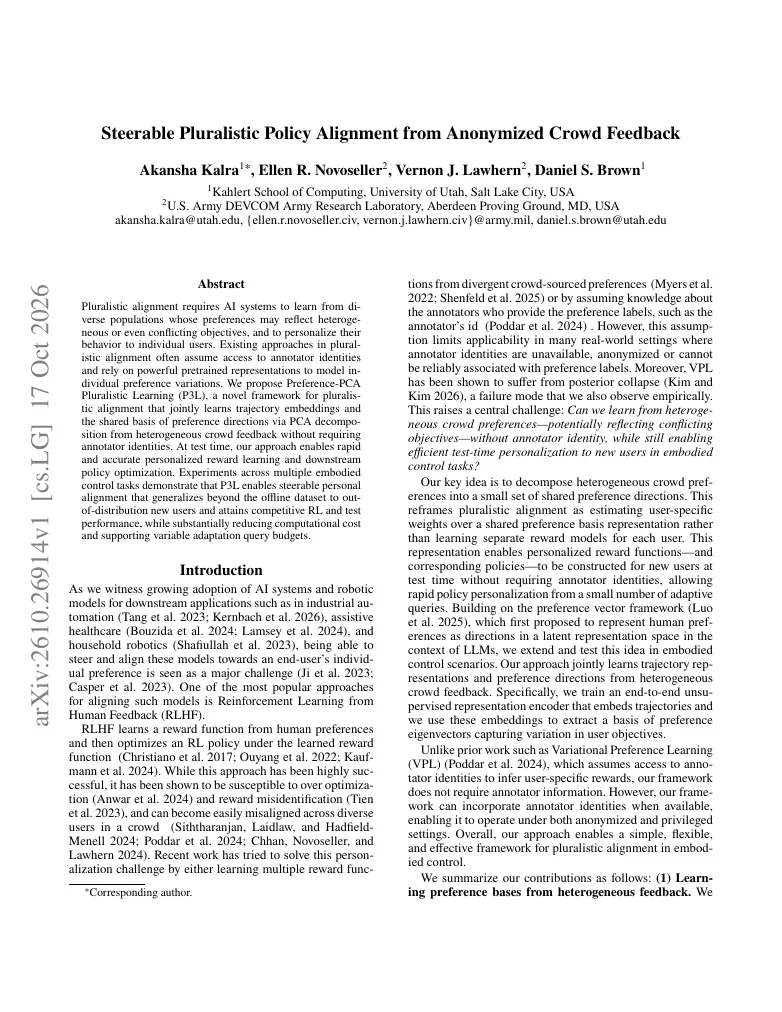
Learns personalized simulated humanoid styles from anonymous preferences about direction, arm motion, and energy use.
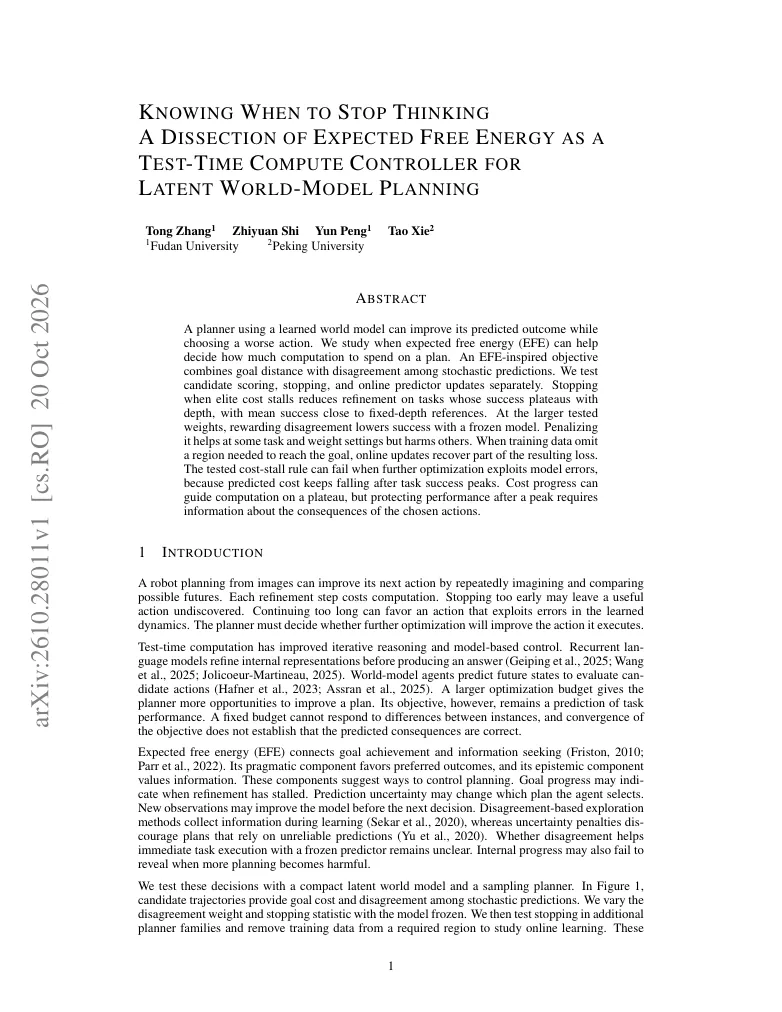
Stops world-model planning once more thinking is unlikely to improve the robot's action.
Teaches exploration from privileged training information while keeping the deployed legged policy independent.
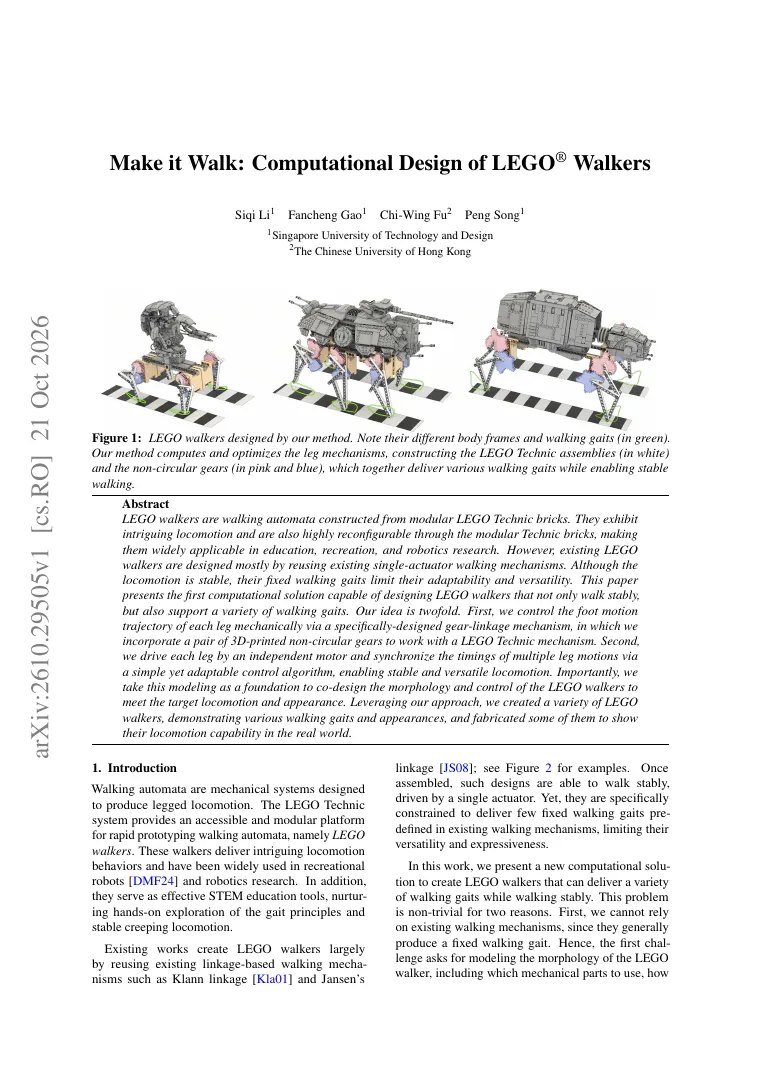
Designs LEGO leg shapes and servo timing that produce customizable four- and six-legged walkers.
Tests long-horizon G1 service agents across walking, manipulation, falls, collisions, and changing human requests.
Compares data, motion generators, policies, controllers, and deployment choices for humanoid household tasks.
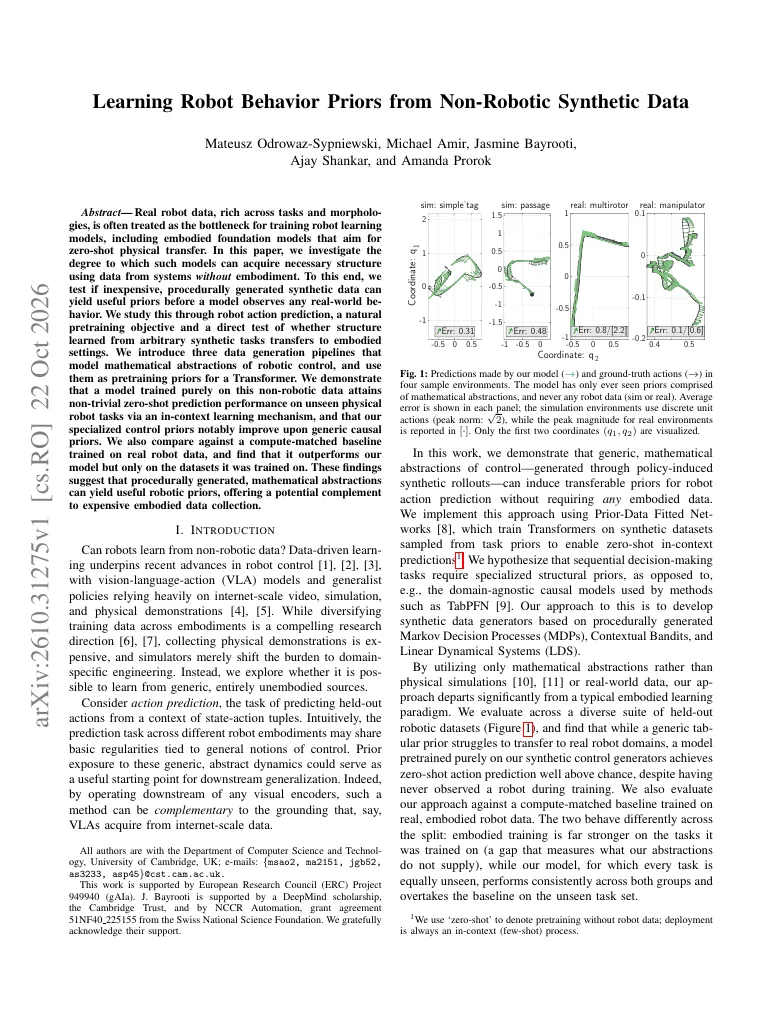
Learns useful quadruped action patterns from synthetic non-robot data for offline command prediction.
Terrain, state, slip, sensors, and local context.

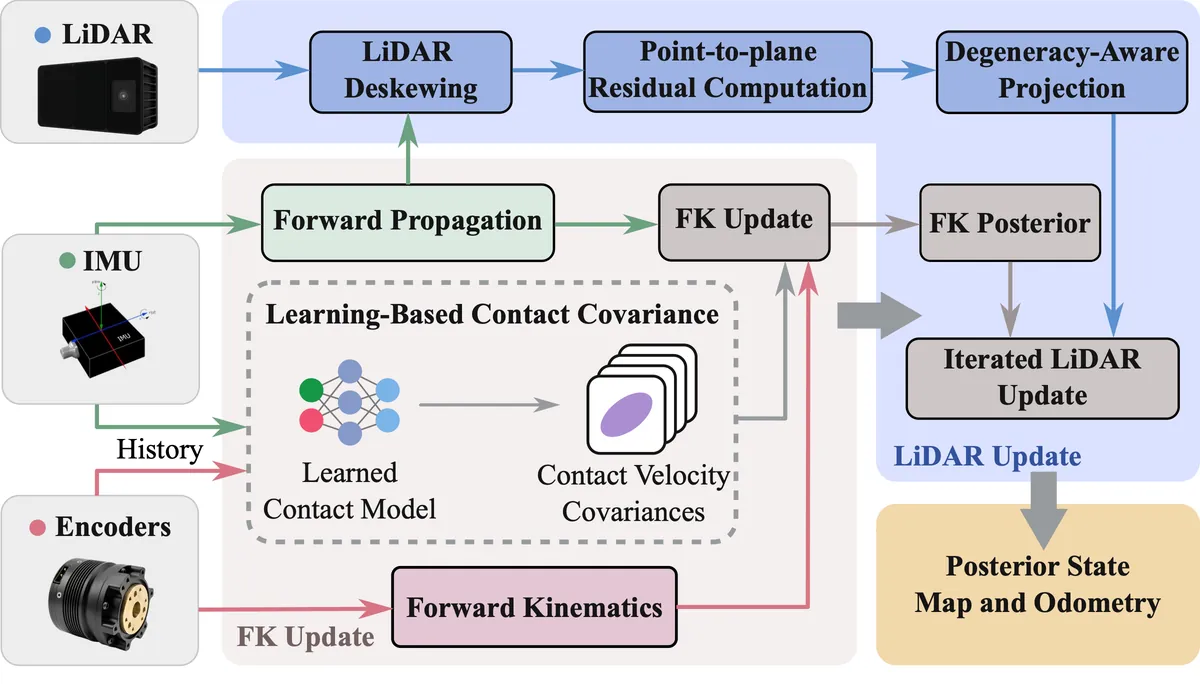
Learns when wheel motion is unreliable so a wheel-legged quadruped can estimate its path in poor LiDAR geometry.
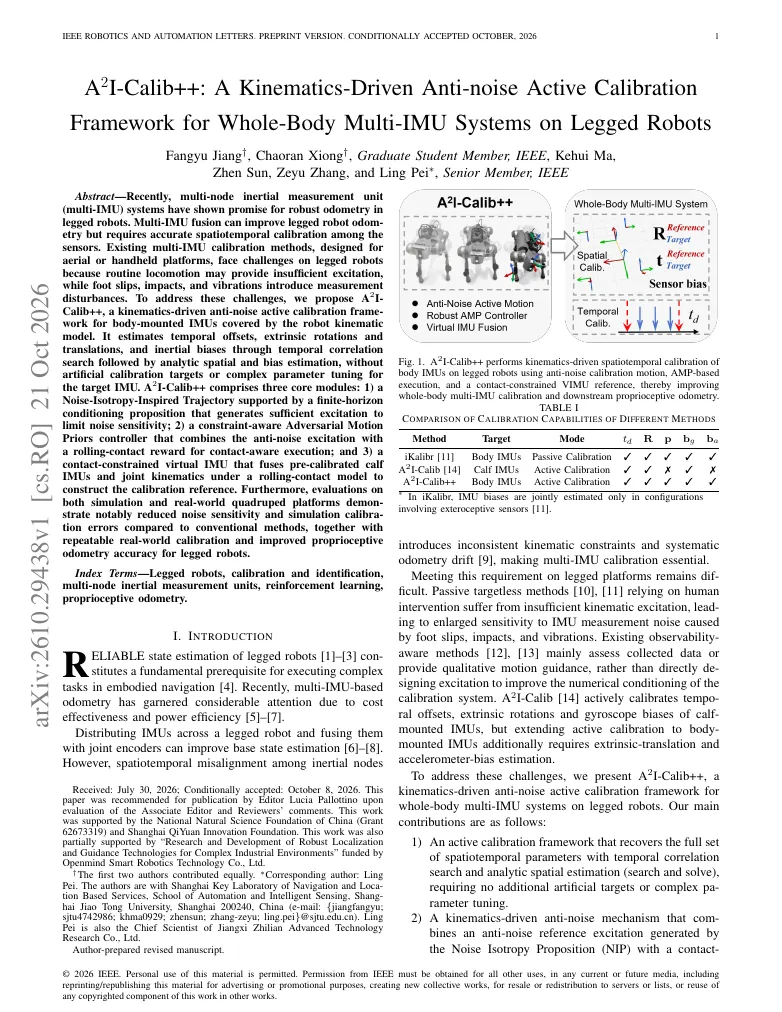
Calibrates several body-mounted IMUs by choosing useful motions and accounting for rolling contact.