paper preview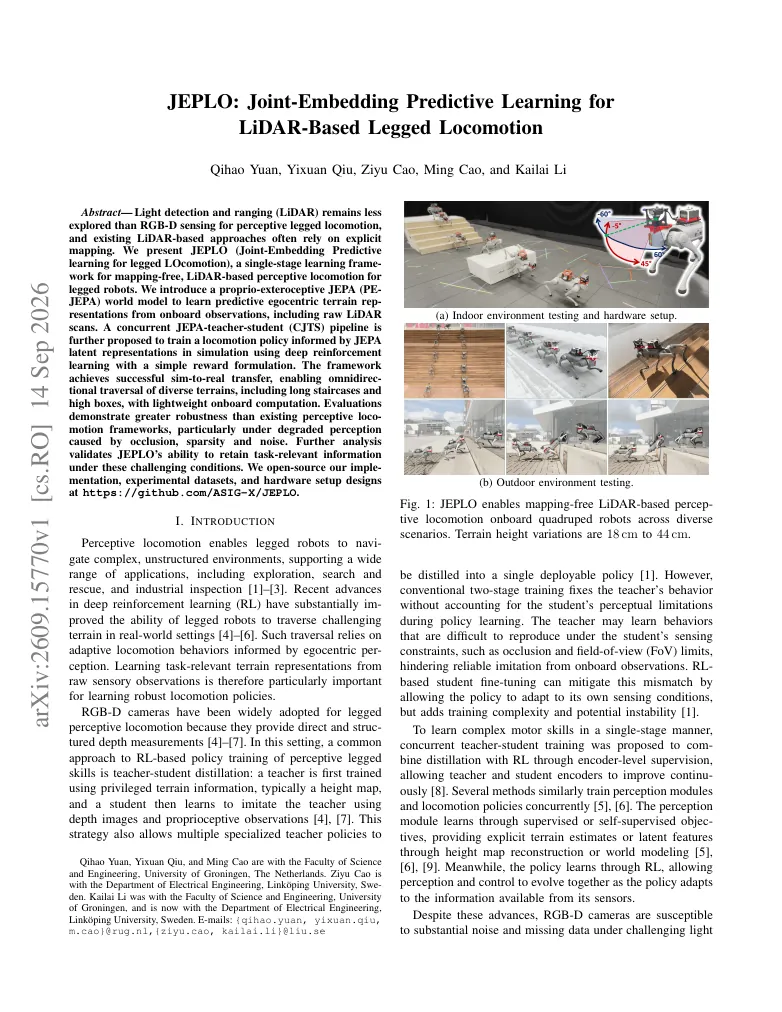
01arXiv
JEPLO: Joint-Embedding Predictive Learning for LiDAR-Based Legged Locomotion
Lets legged robots climb stairs and high obstacles from raw LiDAR scans without building a map.
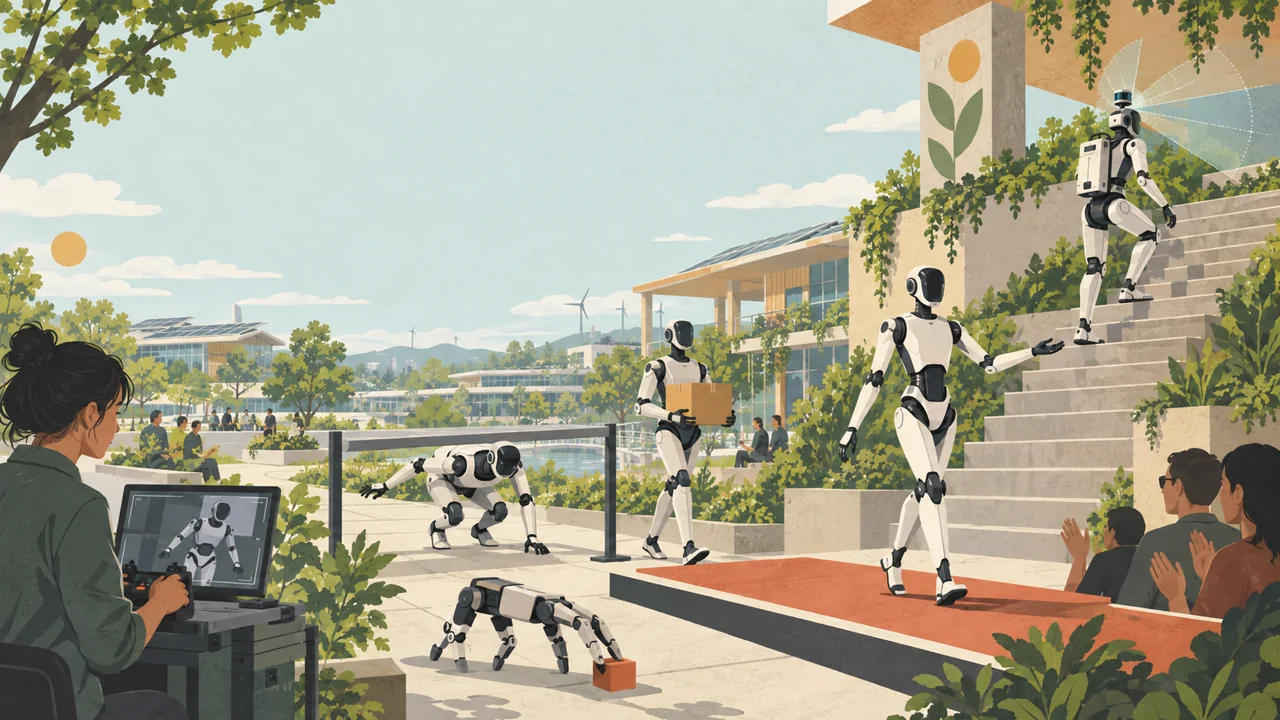
Terrain, gait, robustness, and agile movement.
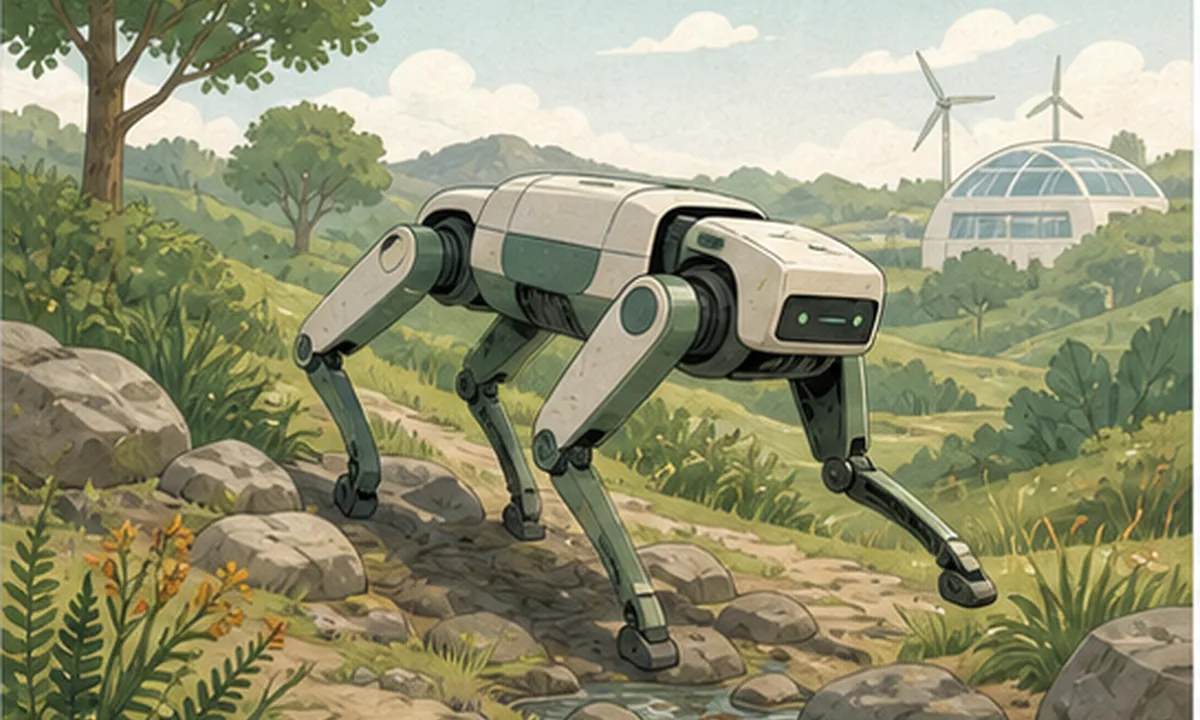
Lets legged robots climb stairs and high obstacles from raw LiDAR scans without building a map.
Teaches a robotic hand to crawl, steer, recover from falls, type keys, and push objects using its fingers as legs.
Teaches humanoids to choose safe paths through buildings and stairs while keeping their balance.
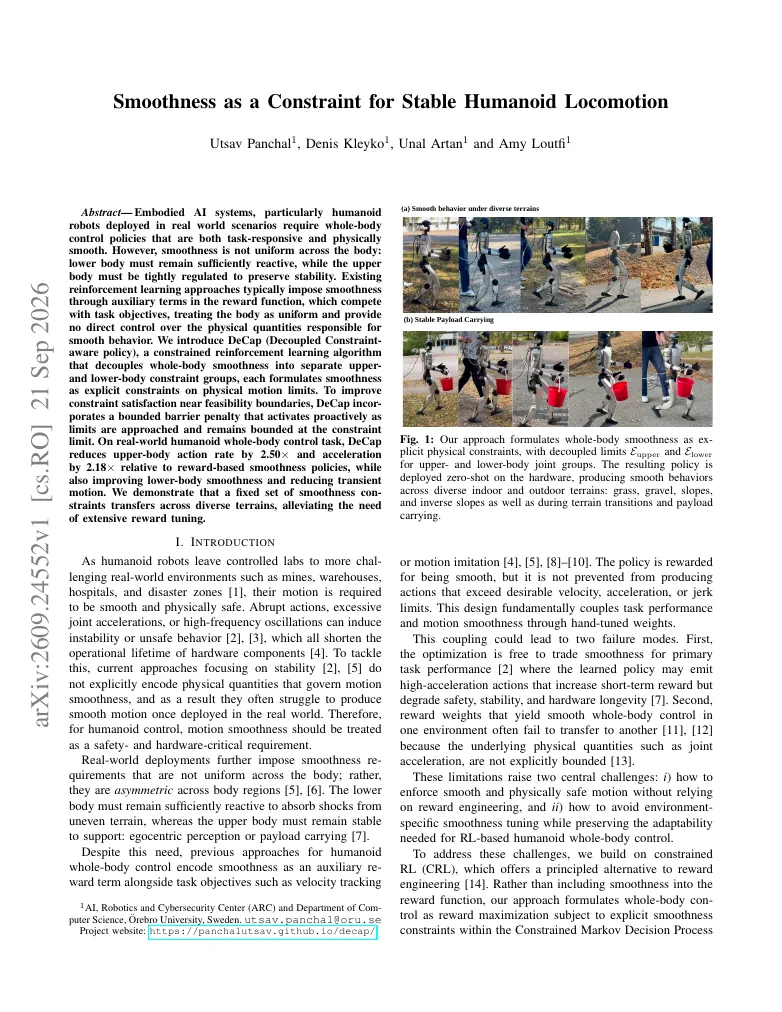
Keeps humanoid walking stable by setting separate smoothness limits for the upper and lower body.
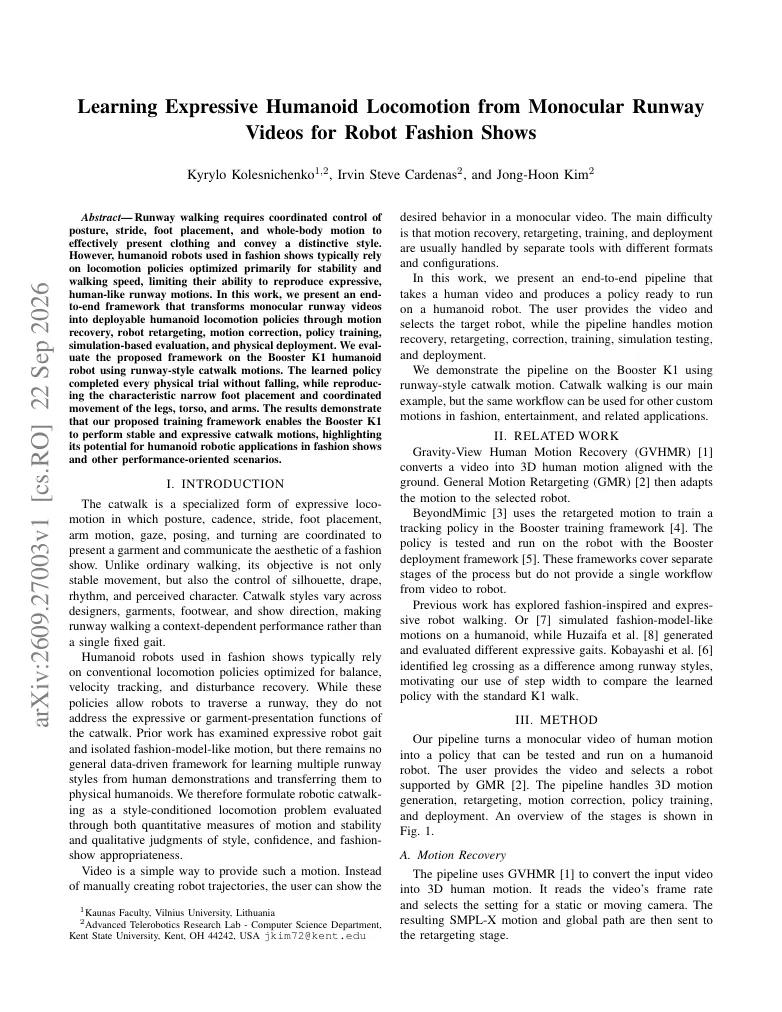
Turns ordinary runway videos into stable catwalk motions a humanoid can perform on real hardware.
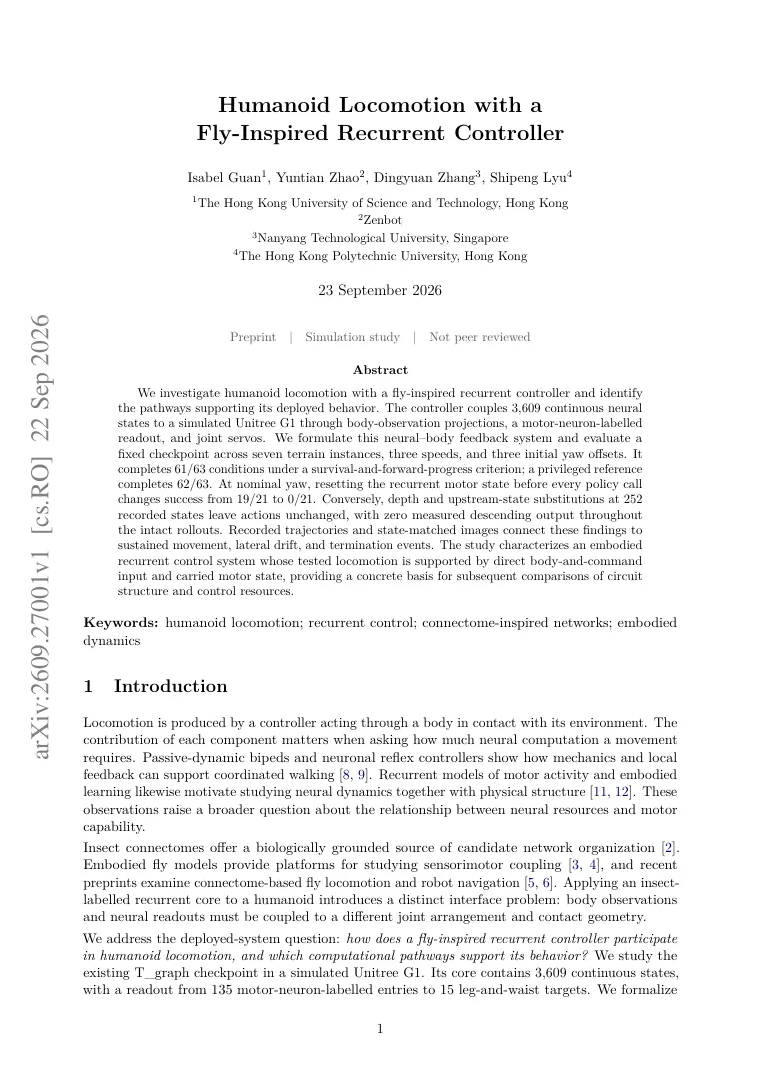
Controls a humanoid across speeds and terrain with a compact recurrent controller inspired by fly nervous systems.
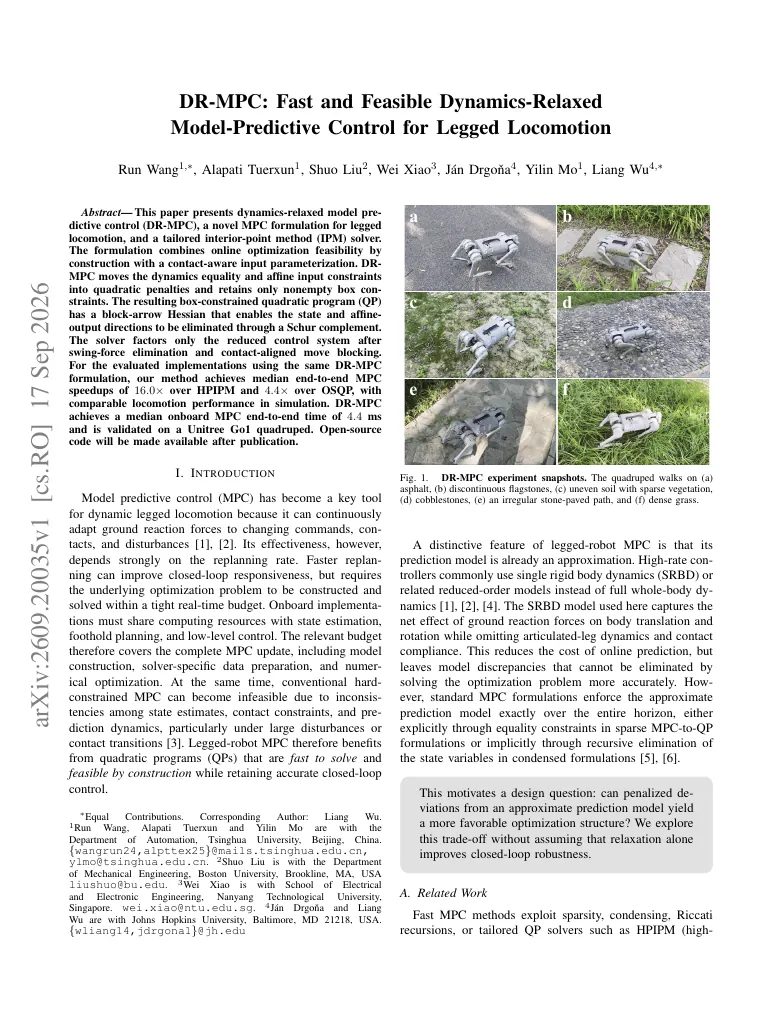
Makes legged-robot motion planning faster and more reliable by relaxing difficult dynamics constraints during optimization.
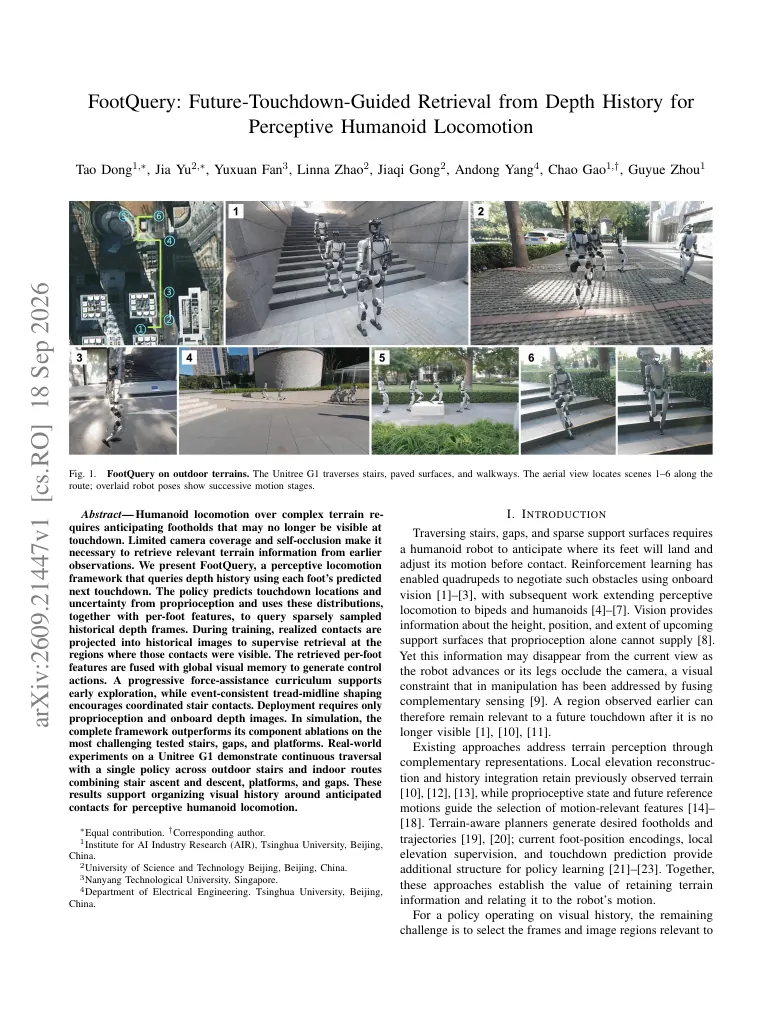
Helps humanoids recall terrain from recent depth views by looking where each foot is about to land.
Reference motion, imitation, retargeting, and behavior priors.
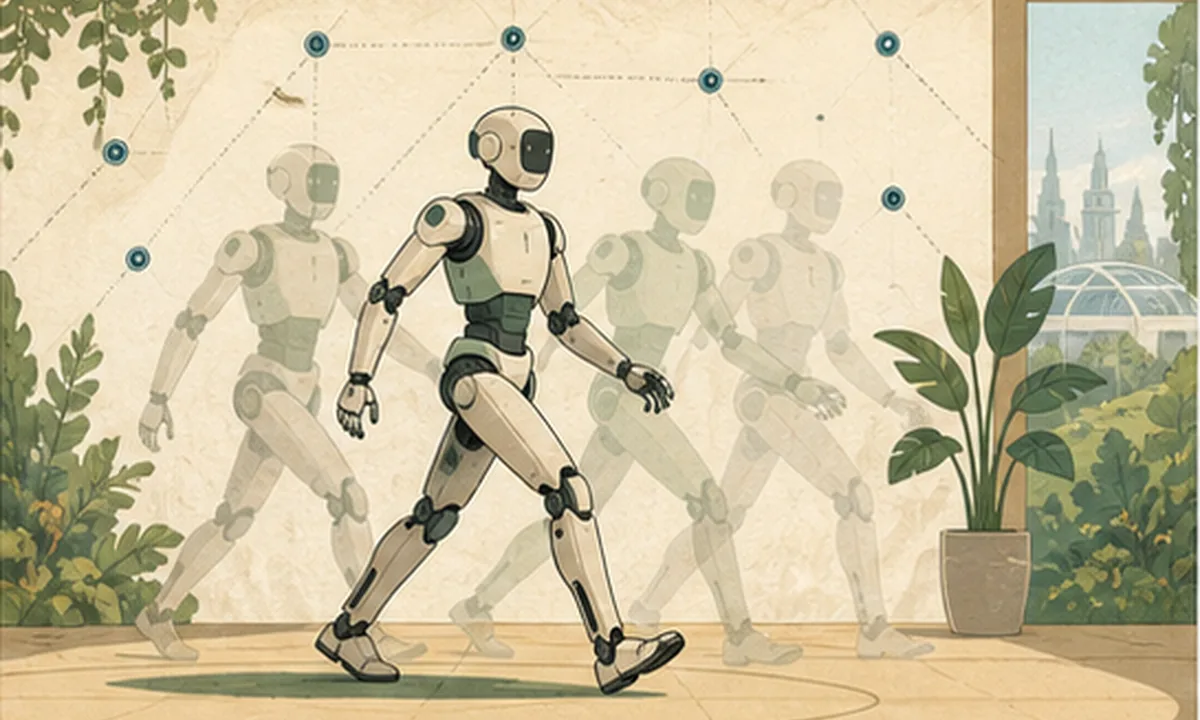
Turns a single ordinary video directly into executable motion for several kinds of humanoid robots.
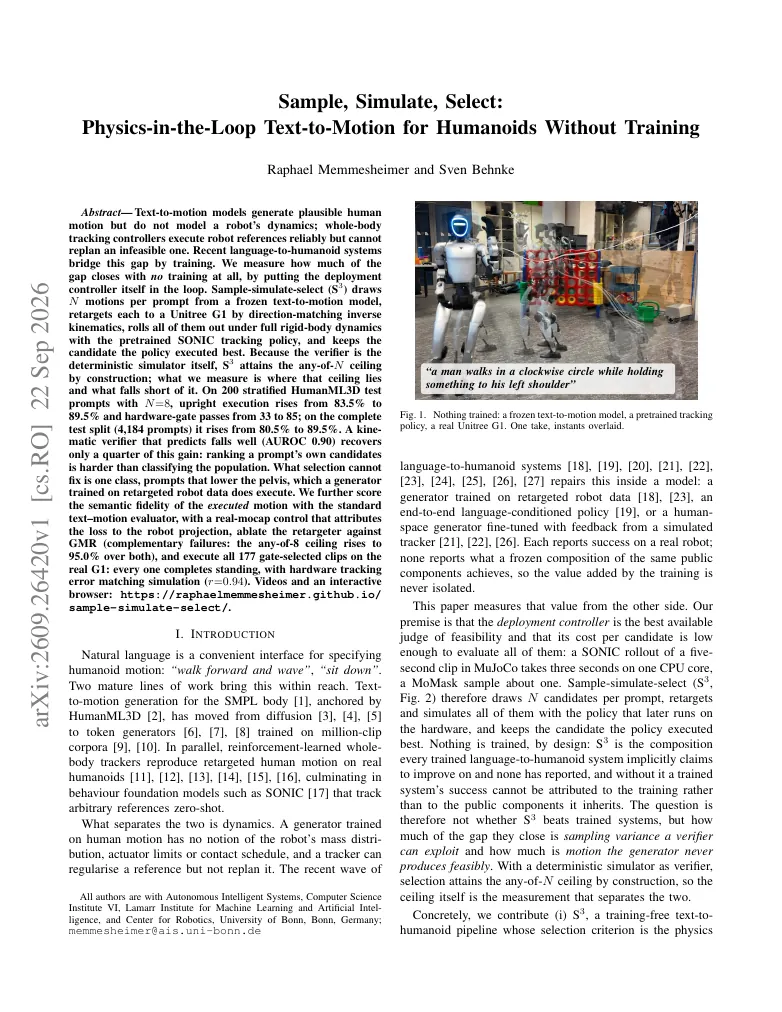
Creates humanoid motions from text by testing several candidates in simulation and keeping the one the robot can execute.
Whole-body task contact: feet, torso, hands, and objects.
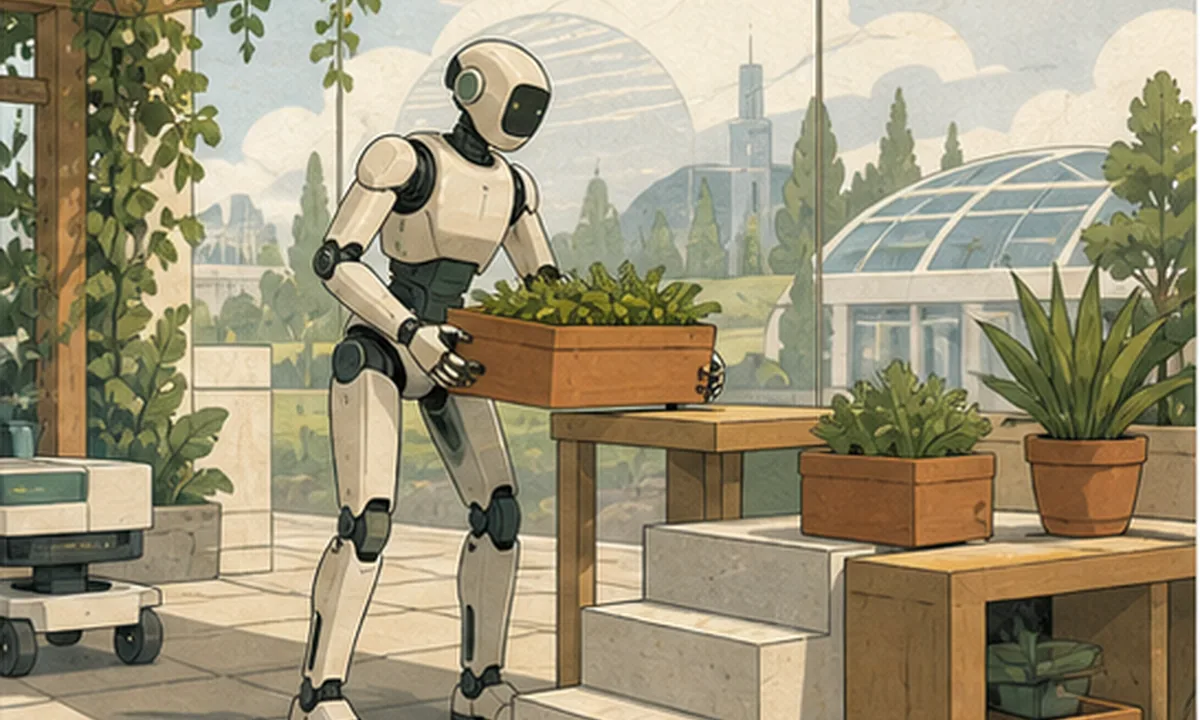
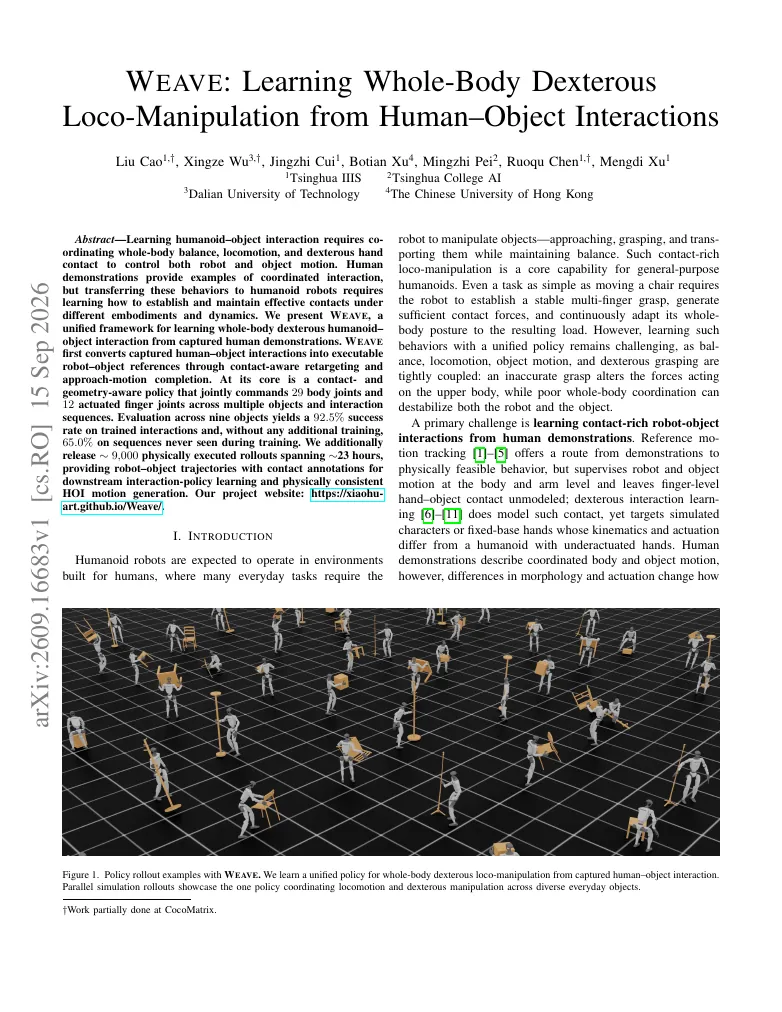
Teaches humanoids to approach, grasp, and move objects with their whole body and dexterous hands from human demonstrations.
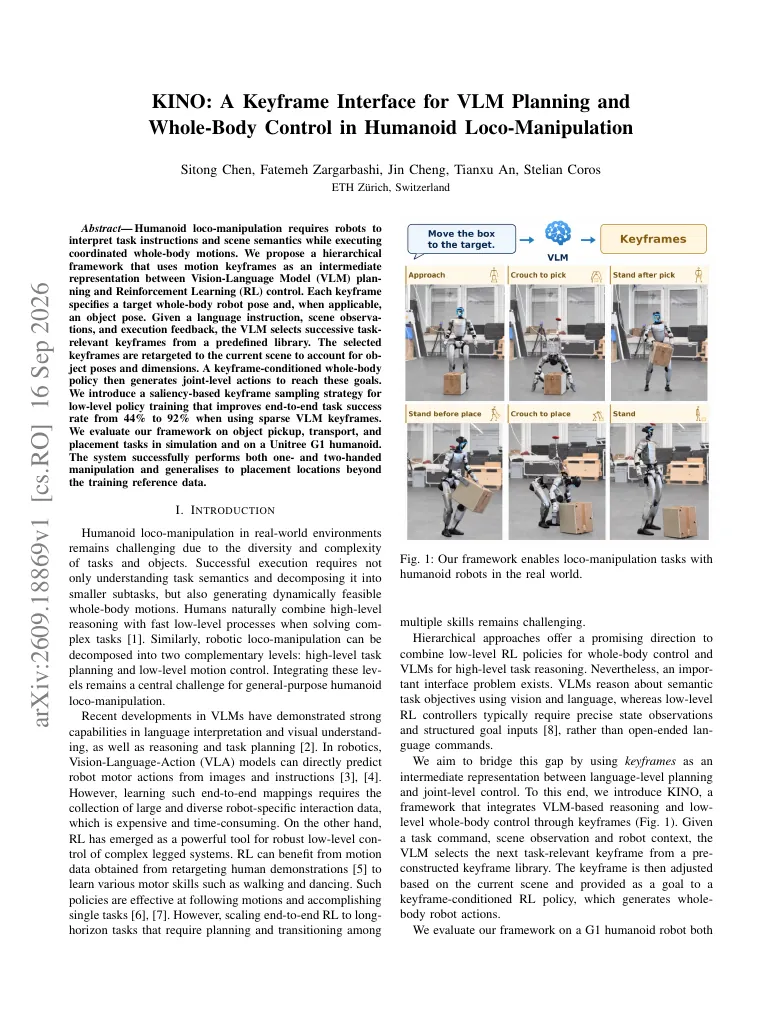
Lets a vision-language model plan humanoid tasks as key poses that a whole-body controller can execute.
Adapts pretrained world-action models to humanoids by grounding their plans in whole-body control.
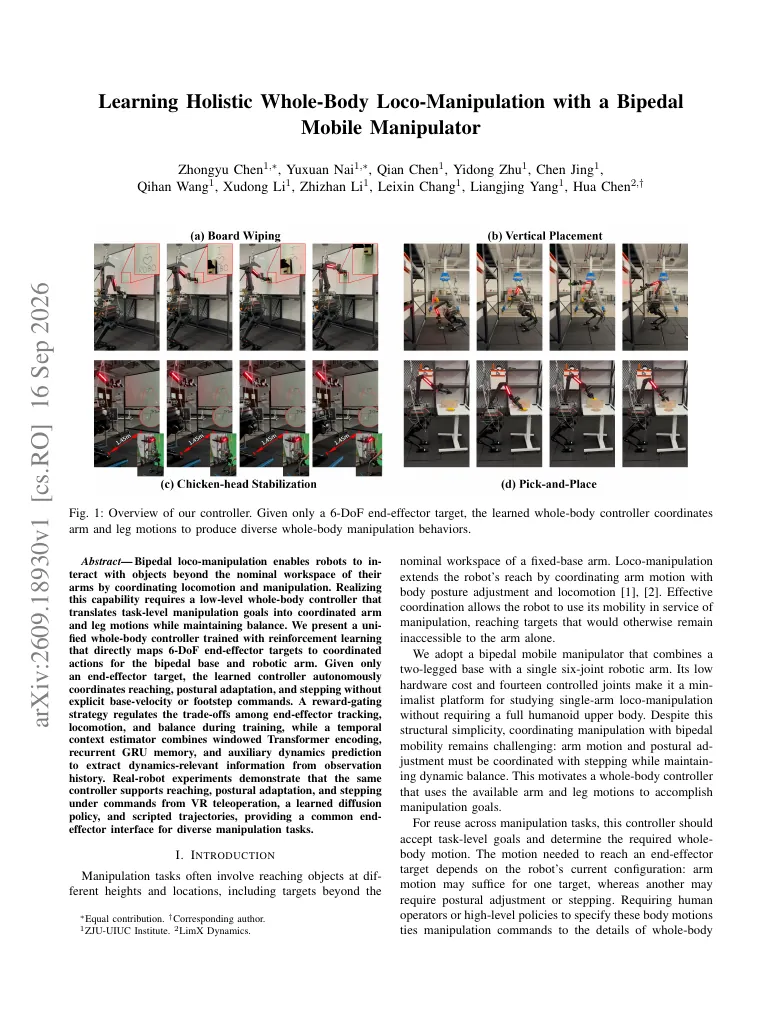
Teaches a bipedal mobile manipulator to move its base and arm together toward a hand target.
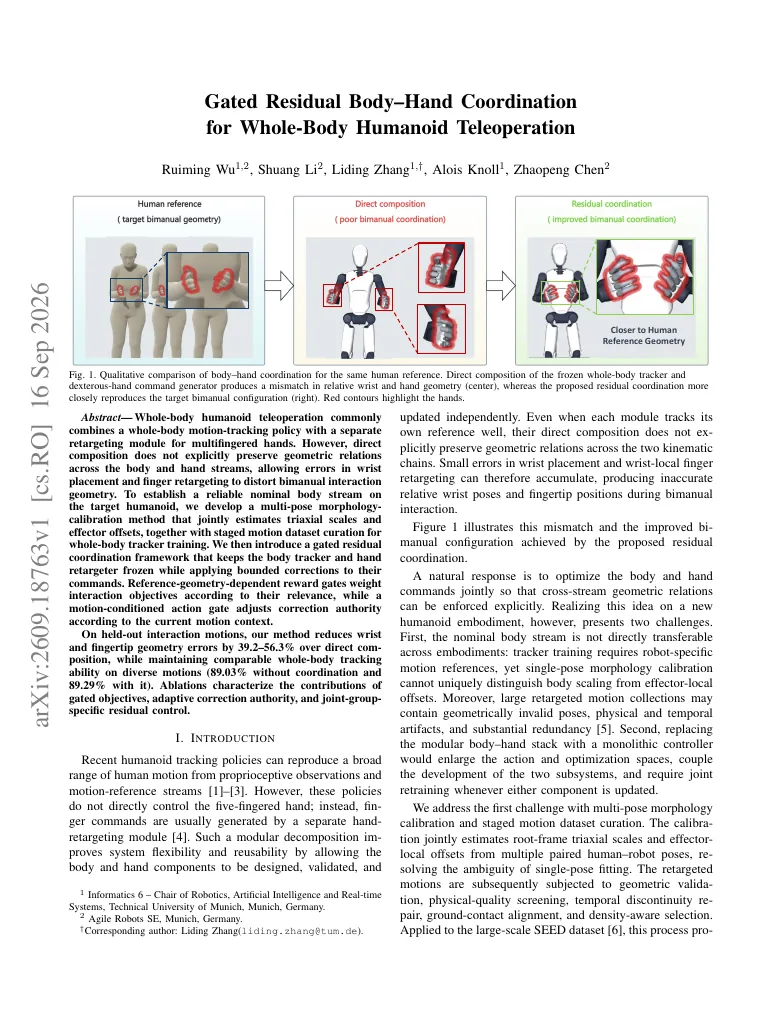
Keeps a teleoperated humanoid's hands aligned with its body while it performs whole-body motions.
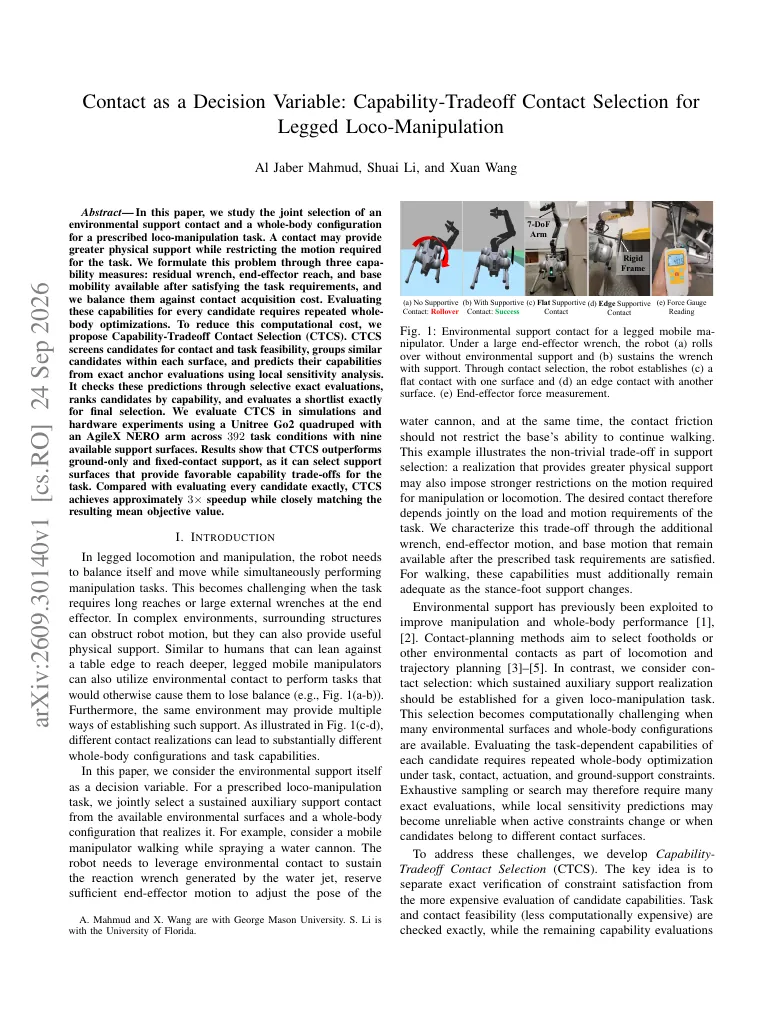
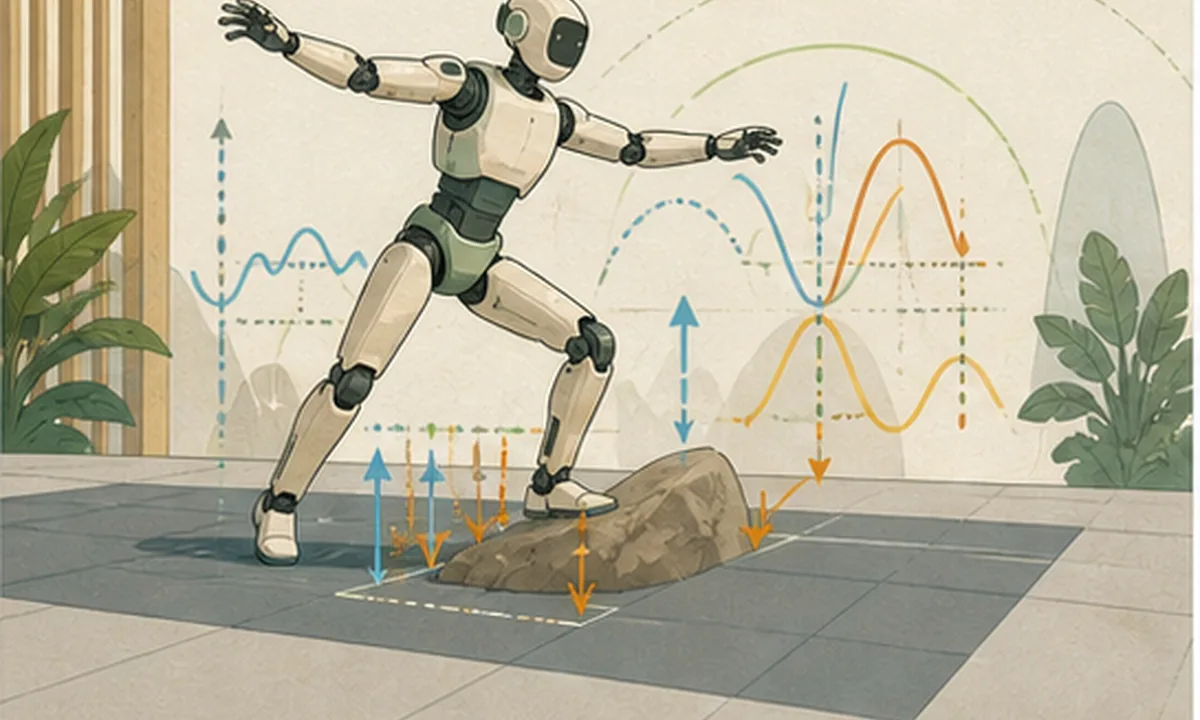
Lets legged robots choose when and where to brace against the environment based on balance, reach, and effort.
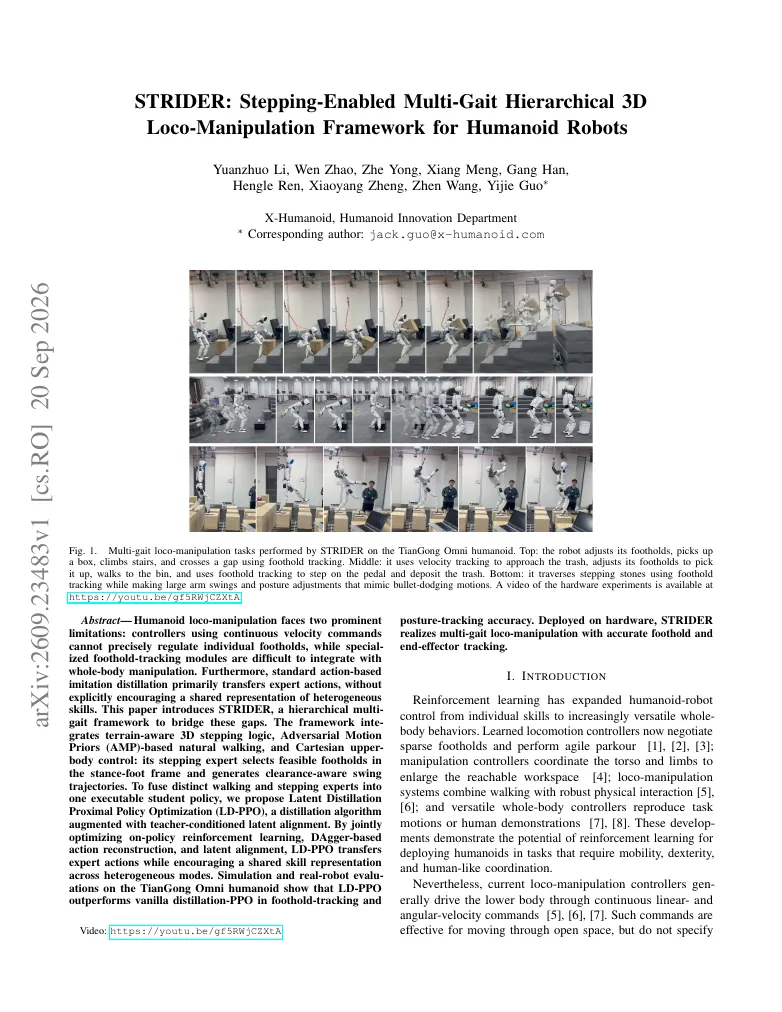
Lets humanoids step precisely, switch walking styles, and coordinate whole-body movement for 3D manipulation.
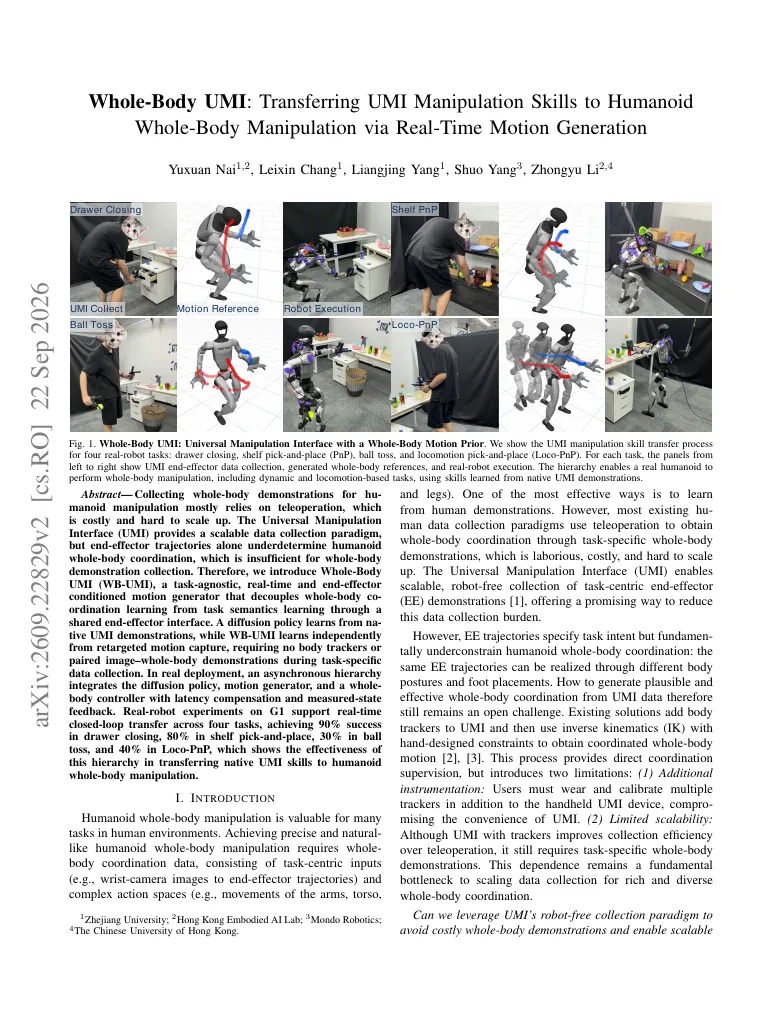
Transfers handheld manipulation demonstrations to humanoids by generating coordinated whole-body motion in real time.
MPC, impedance, safety layers, and whole-body coordination.
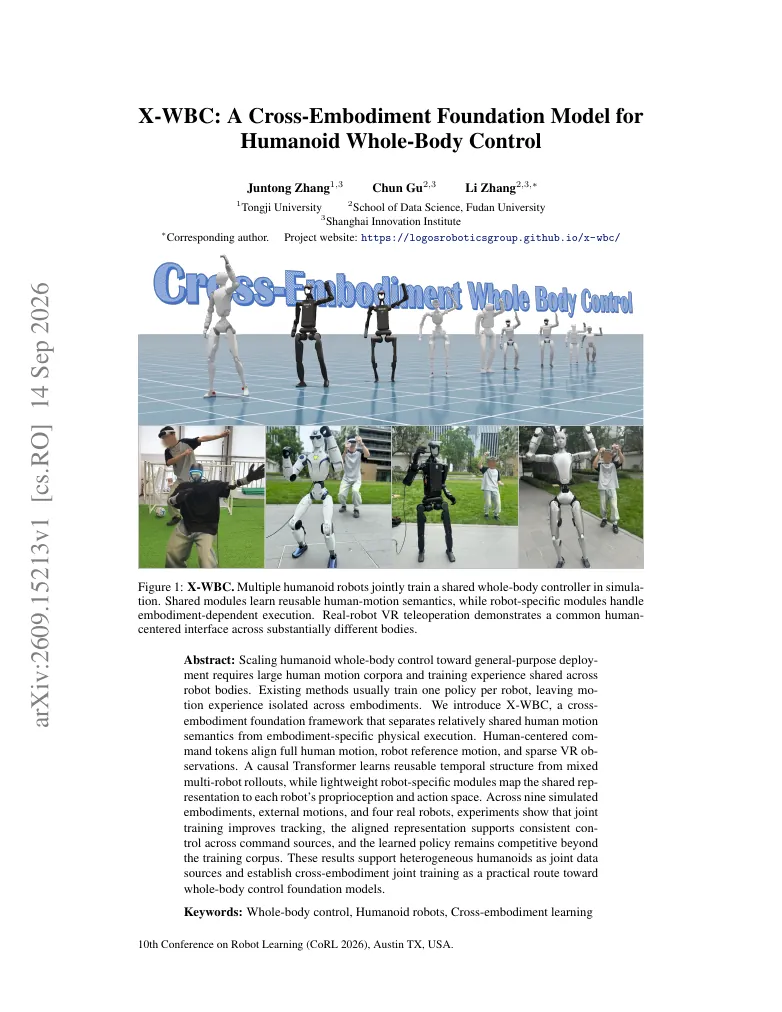
Trains one shared motion model across several humanoid bodies while keeping execution tailored to each robot.
Teaches agile humanoids to stay inside learned safety limits while dodging and moving under obstacles.